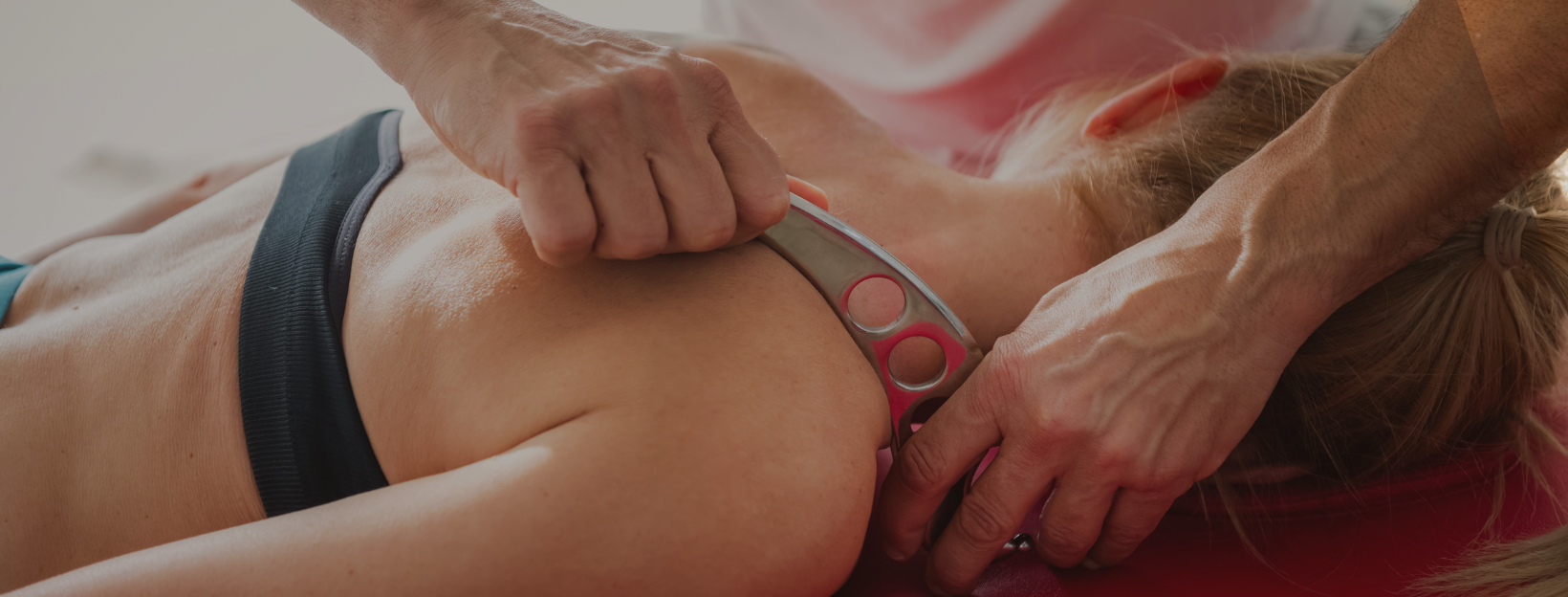
Instrument Assisted Soft Tissue Mobilization / Scraping in Colorado Springs
Break up adhesions, realign tissue fibers, and restore optimal function with specialized instrument-assisted techniques
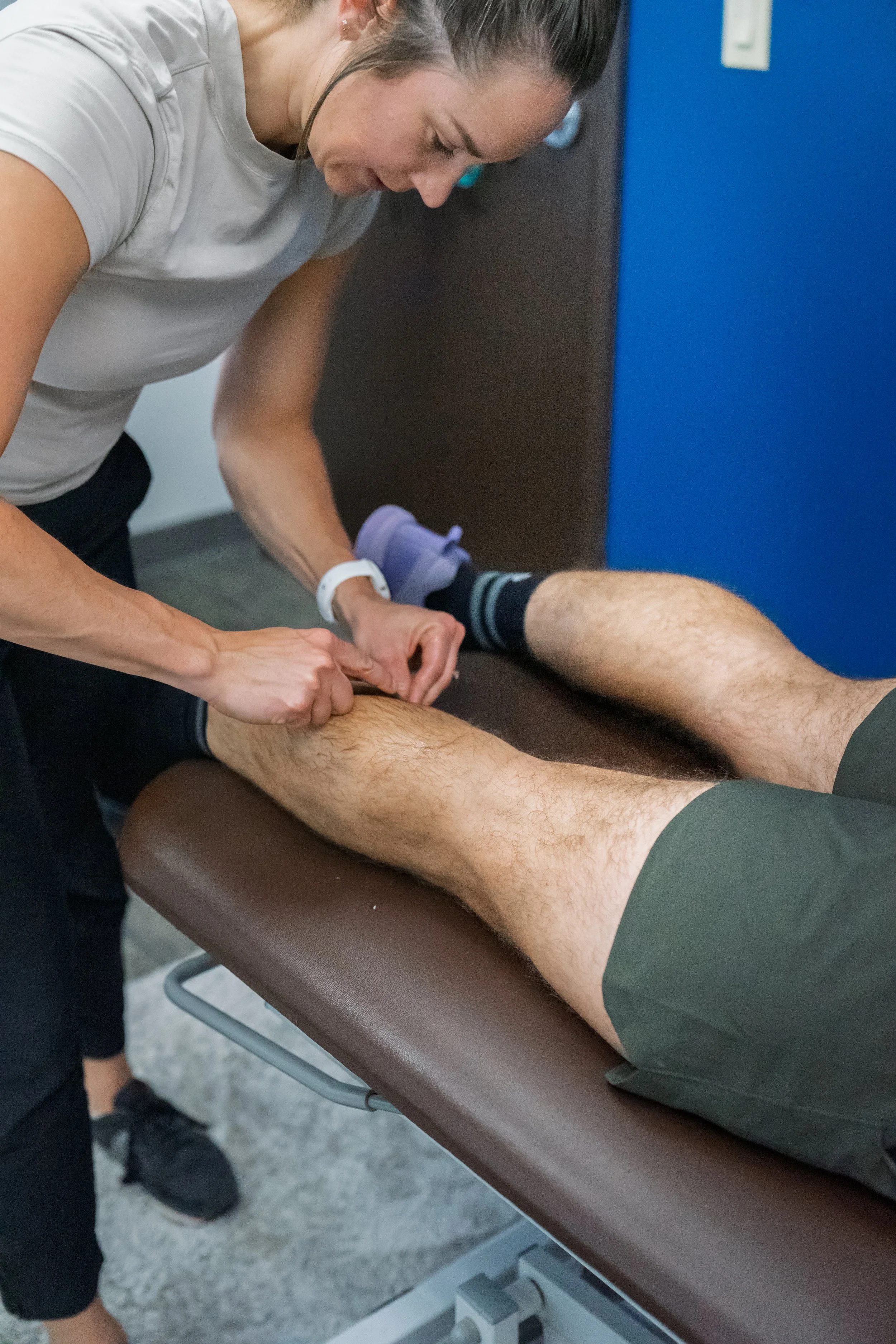
What is Instrument Assisted Soft Tissue Mobilization (IASTM)?
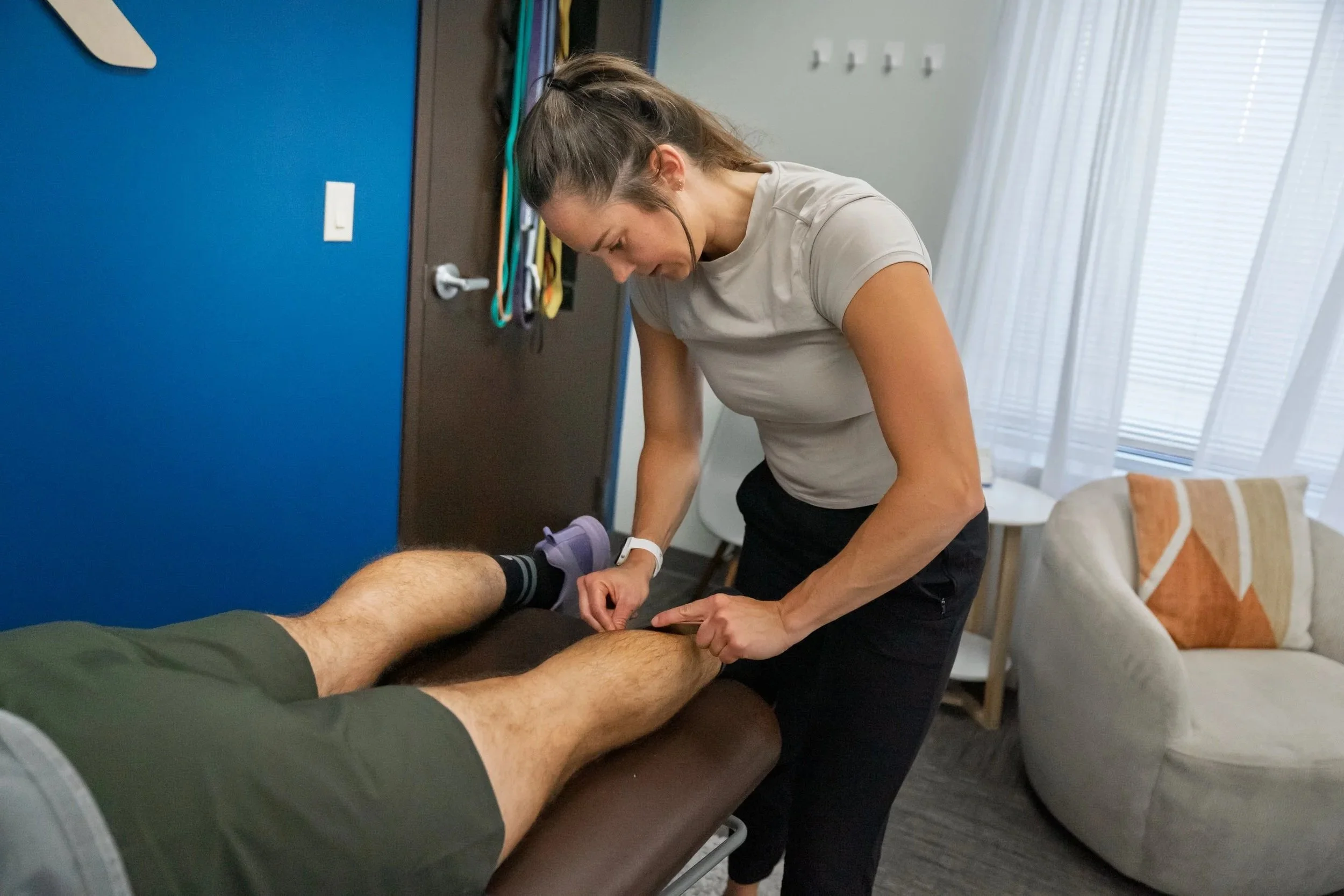
Instrument Assisted Soft Tissue Mobilization (IASTM), also known as scraping or Graston-type technique, uses specialized metal tools to gently scrape the skin over tight or sore areas. At Summit Physio & Performance, we use this evidence-based technique to promote healing by breaking down scar tissue and adhesions and releasing restrictions in the fascia. IASTM is also a great assessment tool of fascial restrictions that we will use prior to determine the area needed for treatment of IASTM, myofascial release, soft tissue work, dry needling, or cuptherapy.
This soft tissue treatment is designed to detect and treat areas of scar tissue, adhesions, and fascial restrictions that may be limiting your movement or causing pain. Often performed after myofascial decompression (cupping), IASTM helps realign muscle and fascial fibers, enhancing tissue mobility, reducing pain, and restoring function. The specialized tools allow us to be more specific and effective than hands alone, reaching deeper restrictions and providing targeted treatment to problem areas.
-
The metal tools amplify vibration sense, helping both the clinician and patient feel tissue irregularities. This allows us to precisely locate and treat areas of restriction or adhesion that might be missed with hands alone.
-
The tools provide a mechanical advantage, allowing deeper and more specific treatment while reducing stress on the clinician's hands. They can target exact layers of tissue and reach restrictions that manual therapy alone cannot address.
-
The instruments create controlled, therapeutic microtrauma in affected tissues. This stimulates your body's natural healing response through connective tissue remodeling—breaking down excessive scar tissue and triggering fibroblast recruitment (repair cells) that produce fresh collagen to rebuild healthier tissue.
-
The specific pressure and direction of the strokes help reorganize collagen fibers in scar tissue and adhesions. This improves tissue quality, making it more elastic and functional, which leads to better movement and less pain.
-
IASTM stimulates mechanoreceptors (touch sensors) in the skin and fascia, which can help reduce pain signals and reset dysfunctional movement patterns.
-
The treatment increases circulation to the treated area, delivering oxygen and nutrients while helping remove metabolic waste products. This enhanced blood flow supports the healing process.
How IASTM Works
What the Research Shows
According to a 2016 systematic review of randomized controlled trials:
For pain and injury treatment: Current evidence shows similar outcomes between IASTM and other treatments, with no significant advantage for common musculoskeletal conditions
For range of motion: IASTM produces significant short-term improvements (up to 24 hours) in joint mobility
Important note: The research on IASTM is still emerging, and more high-quality studies are needed to fully understand its effectiveness
Despite mixed research findings, many patients experience real-time pain relief and improved flexibility when IASTM is combined with therapeutic exercises and a comprehensive treatment plan.
The Science Behind the Scraping
Why Metal Instruments? The specialized tools are designed with specific edges, angles, and weights that allow for:
Deeper penetration into tissue layers
More precise treatment of small areas
Consistent pressure application
Enhanced practitioner feedback about tissue quality
Reduced stress on the therapist's hands
The Healing Response The controlled microtrauma created by IASTM triggers a cascade of healing responses:
Increased fibroblast activity (cells that produce collagen)
Breakdown of cross-fiber adhesions
Remodeling of scar tissue
Improved fiber alignment along lines of stress
Enhanced tissue flexibility and strength
Assessment Strokes
Light scanning movements to identify areas of restriction, scar tissue, or abnormal tissue texture.
Treatment Strokes
Targeted application using specific angles and pressure to address identified restrictions.
Multidirectional Technique
Working tissues in multiple directions to ensure comprehensive treatment of adhesions.
Our IASTM Techniques
Fascial Chain Treatment
Following entire fascial lines to address compensatory patterns and ensure whole-body integration.
Combined Techniques
Integration with movement patterns to enhance treatment effectiveness and ensure functional improvements.
Cup Therapy Integration
We also use these IASTM techniques in conjunction with Cup Therapy to improve circulation, reduce tension, and enhance overall tissue mobility
The Perfect Follow-Up to Cuptherapy
At Summit Physio & Performance, we often perform IASTM immediately after myofascial decompression (cup therapy) for synergistic effects:
Why This Combination Works:
Cuptherapy lifts and separates tissue layers
IASTM then realigns and reorganizes the freed tissues
The combination addresses restrictions in multiple dimensions
Results are often superior to either technique alone
This strategic sequencing maximizes the benefits of both treatments, providing comprehensive soft tissue mobilization.
Who Benefits from IASTM?
-
Address chronic tendinopathies, muscle strains, and repetitive stress injuries common in training.
-
Break down scar tissue and adhesions that limit movement after surgery.
-
Release long-standing adhesions and restrictions contributing to persistent pain patterns.
-
Whether from surgery, injury, or trauma, IASTM effectively remodels scar tissue for improved function.
-
Optimize tissue quality and movement patterns for enhanced athletic performance.
Common Conditions We Treat
Tendon Issues:
Achilles tendinopathy
Patellar tendinitis (jumper's knee)
Tennis elbow (lateral epicondylitis)
Golfer's elbow (medial epicondylitis)
Rotator cuff tendinopathy
Muscle & Fascia Problems:
IT band syndrome
Plantar fasciitis
Muscle strains and tears
Trigger points
Myofascial restrictions
Post-Surgical & Scar Tissue:
Surgical scars
Traumatic scar tissue
Adhesions from injury
Post-fracture soft tissue restrictions
Movement Dysfunctions:
Limited range of motion
Compensatory movement patterns
Tissue restrictions affecting performance
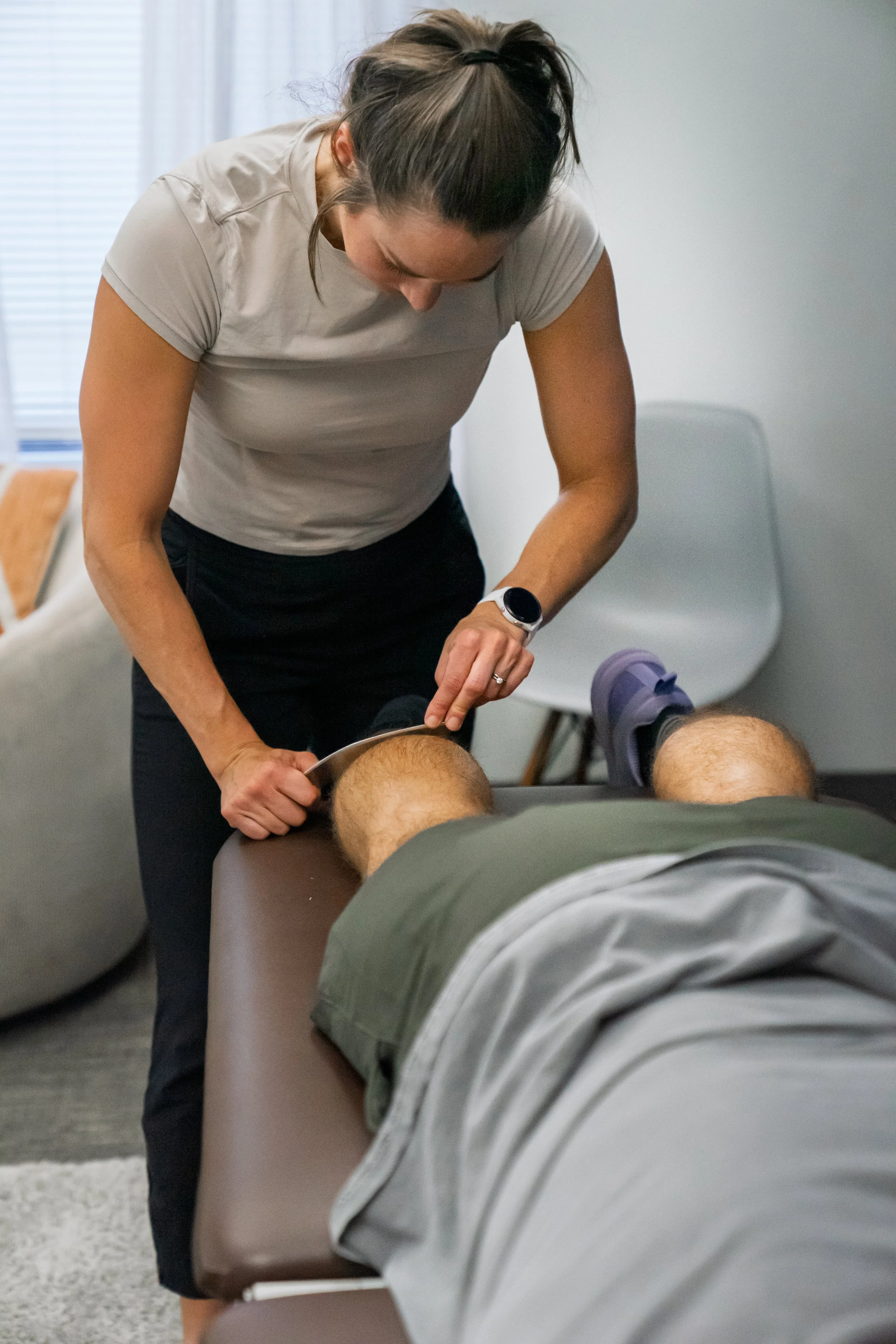
What to Expect During Your IASTM Treatment
-
We use the instruments to scan and identify areas of restriction, noting tissue texture, temperature, and mobility.
-
A lubricant, often cocoa butter is applied to allow smooth gliding of the instruments while protecting your skin.
-
Using specific angles and pressure, we work through restricted areas. Areas that are more restricted may be perceived as more grainy vs. smooth. You'll feel a scraping sensation and possibly mild discomfort in tight areas.
-
You may experience temporary redness from increased blood flow under the skin. You also may see small red dots that appear (petechiae), which are caused by the rupture of tiny blood vessels called capillaries—this is normal and beneficial, but should be done by a clinician.
-
We often combine IASTM with specific movements to ensure the tissue changes translate to functional improvements.
The Treatment Experience
During Treatment:
Scraping or scratching sensation
Mild to moderate pressure
Possible tenderness in restricted areas
Warmth as blood flow increases
After Treatment:
Temporary redness or mild marks (fade within 24-48 hours)
Possible mild soreness (similar to post-workout)
Improved movement and flexibility
Decreased pain and tension
Important: While some discomfort during treatment is normal, especially over restricted areas, treatment should never be excessively painful. We continuously monitor your comfort and adjust our technique accordingly.
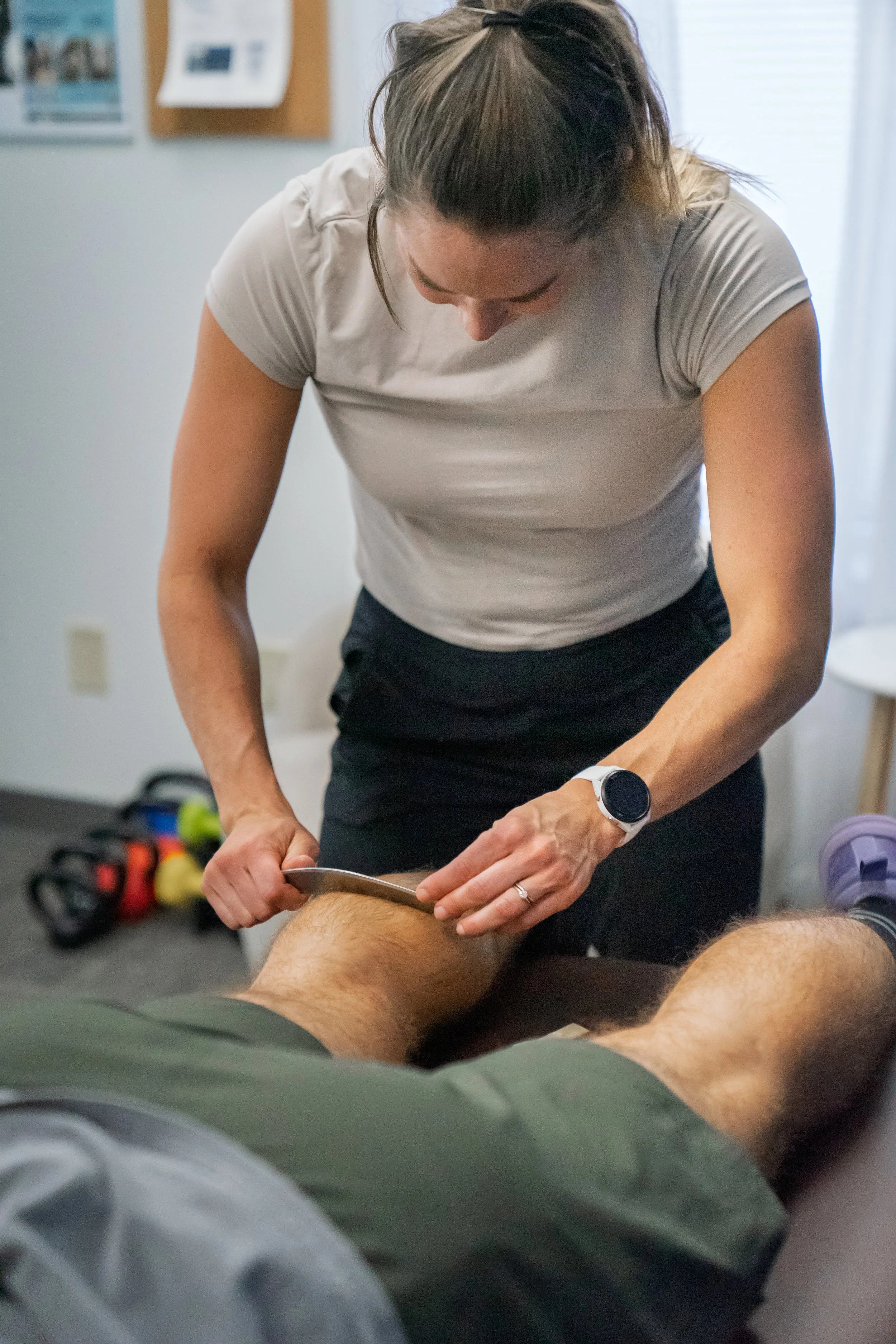
IASTM in Your Treatment Plan
As Primary Treatment
For specific tendinopathies, scar tissue, or fascial adhesions where IASTM is the most effective approach.
As Complementary Technique
Combined with other manual therapy techniques for comprehensive soft tissue treatment.
In Recovery Sessions
Regular IASTM can maintain tissue quality and prevent restriction buildup during heavy training periods.
Pre/Post Competition
Strategic use to optimize tissue quality before events or accelerate recovery afterward.
Frequently Asked Questions
Does IASTM hurt?
You'll feel pressure and a scraping sensation that can be uncomfortable over tight areas, but should not be excessively painful. We adjust pressure based on your tolerance.
What are the red marks?
Temporary redness and small red dots (petechiae) is a normal response indicating increased blood flow or rupture of tiny blood vessels called capillaries. These marks typically fade within 24-48 hours and are much lighter than marks from cuptherapy.
How is this different from Graston Technique?
While based on similar principles, we use various IASTM tools and techniques, integrating them with our movement-based approach for optimal results.
Can I exercise after treatment?
Movement after treatment is encouraged. We'll provide specific guidelines based on your treatment intensity and training schedule.
How many sessions do I need?
Most conditions respond well within a few sessions, though chronic scar tissue or severe restrictions may require more treatment.
Why use tools instead of hands?
The instruments allow deeper, more specific treatment while providing better feedback about tissue quality. They're particularly effective for treating scar tissue and chronic adhesions.
The Summit Physio Approach to IASTM
Precision Application
Our Doctors of Physical Therapy are extensively trained in IASTM techniques, ensuring precise and effective treatment.
Integrated Treatment
We don't use IASTM in isolation—it's part of a comprehensive approach including movement assessment, corrective exercise, and other manual techniques.
Movement-Based Outcomes
Our goal isn't just to treat tissues but to improve your movement quality and performance.
Progressive Treatment
We adjust intensity and technique based on your tissue response and tolerance, ensuring optimal outcomes without excessive soreness.
Highly Rated on Google
Ready to Unlock Your Movement Potential?
Don't let joint restrictions limit your performance or quality of life. Experience the immediate and lasting benefits of expert joint mobilization and manipulation at Summit Physio & Performance.