Myofascial Release Therapy in Colorado Springs
Release fascial restrictions, restore tissue flexibility, and unlock your body's natural movement patterns
What is Myofascial Release?
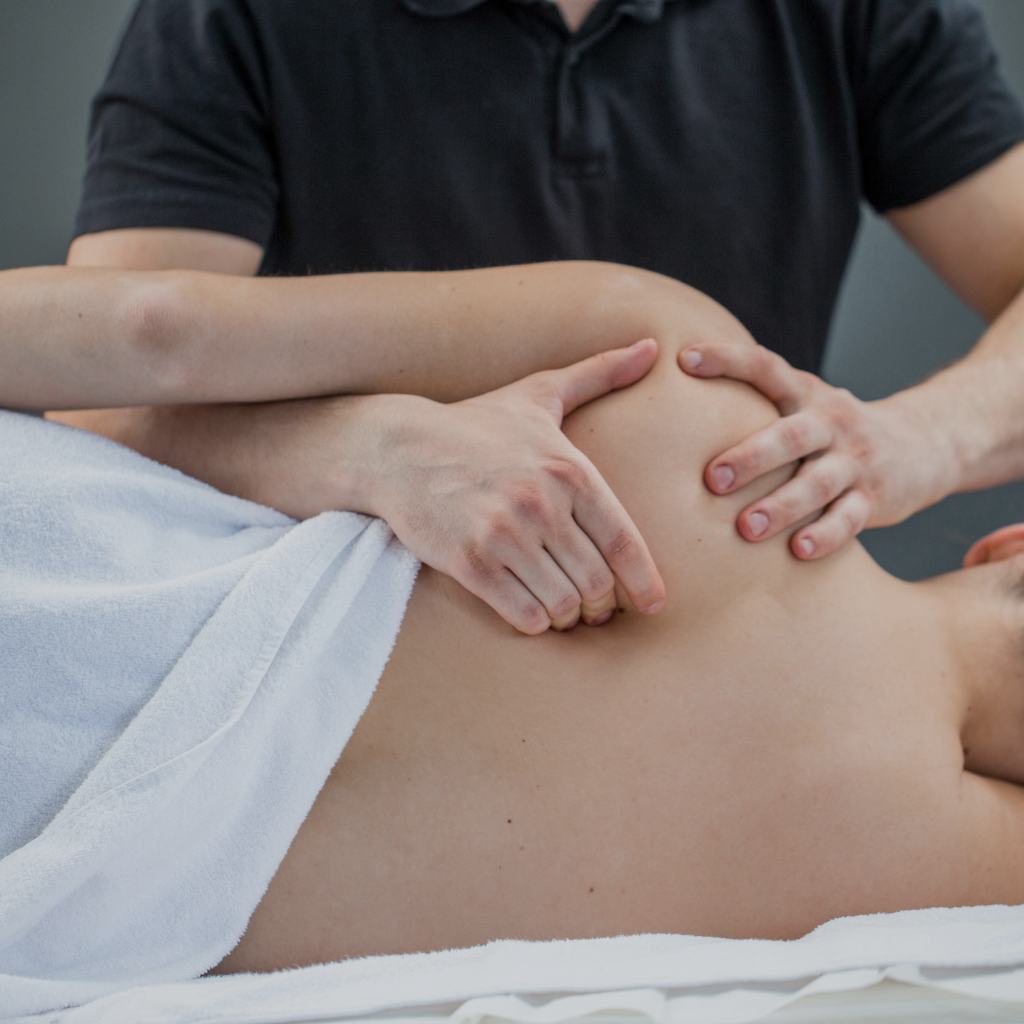
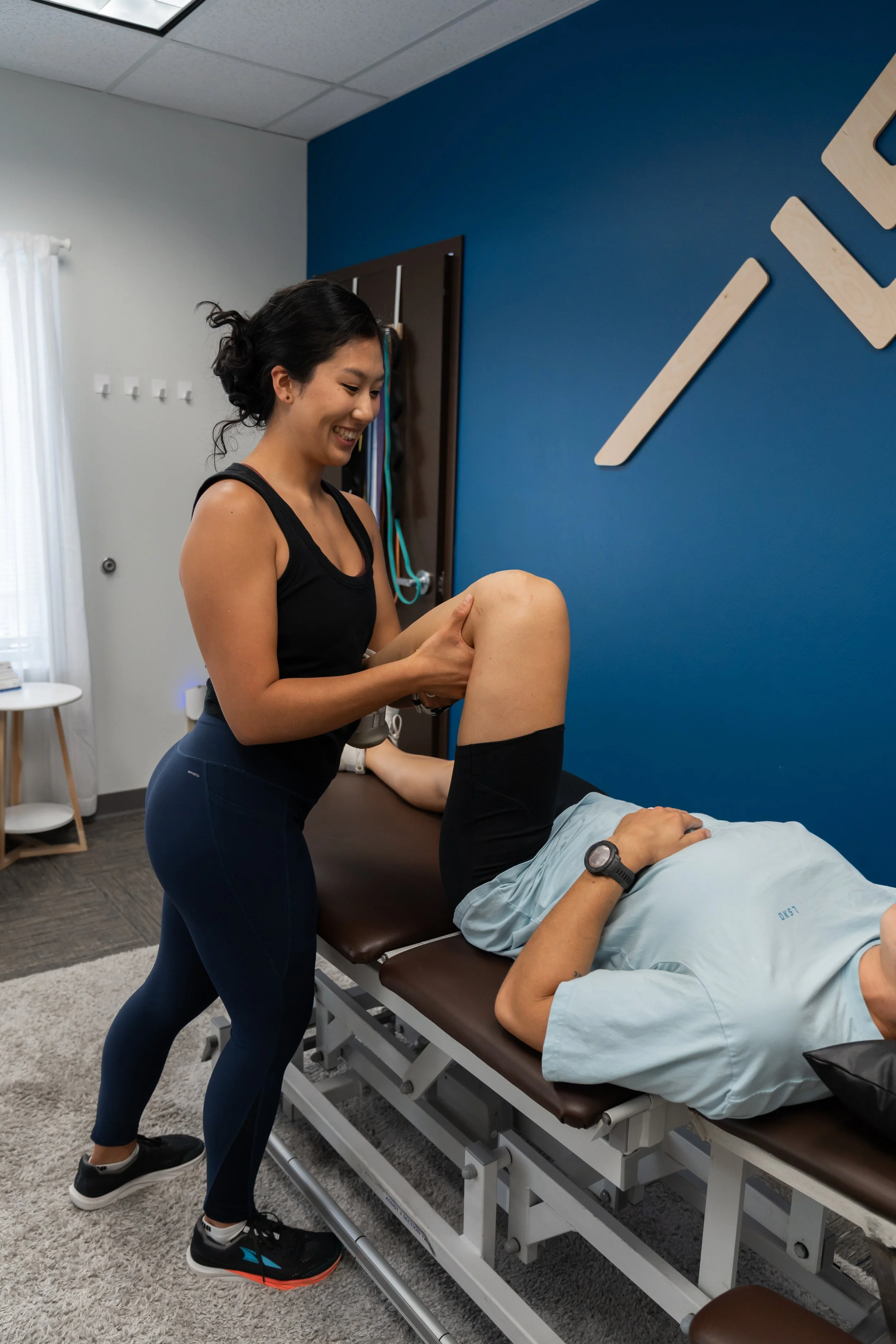
Myofascial release is a specialized manual therapy technique that targets the fascia, the interconnected web of connective tissue surrounding every muscle, bone, nerve, and organ in your body. At Summit Physio & Performance, we combine traditional myofascial release with targeted stretching techniques to address restrictions that limit your movement and performance.
Unlike aggressive deep tissue work, myofascial release uses gentle, sustained pressure to gradually release fascial restrictions. This approach works with your body's natural healing processes to restore tissue mobility, reduce pain, and improve overall function. When combined with myofascial stretching techniques, we can address both local restrictions and whole-body movement patterns.
How Myofascial Release Works
-
We apply light to moderate pressure for 3-5 minutes or longer, allowing the fascia to slowly release and elongate. This patience is key,fascia doesn't respond well to force. We use specific angles and pressure depending on how deep we want to target depending on what areas we find restricted.
-
As restrictions release, we follow the tissue in three dimensions, allowing your body to guide the treatment rather than forcing a predetermined pattern. We will often assess in a circular pattern to determine which areas the fascia is most restricted.
-
The slow, sustained nature of myofascial release calms the nervous system, reducing protective guarding and allowing deeper releases to occur.
-
The pressure and release cycle helps improve fluid movement through the fascia, restoring its natural glide and resilience.
Understanding Fascia: Your Body's Hidden Network
What is Fascia? Fascia is a three-dimensional web of connective tissue that provides support, protection, and structure throughout your entire body. When healthy, fascia is flexible and slides smoothly, allowing unrestricted movement. An analogy I commonly use is it is like the sausage casing on a brat, it covers all of our muscles and is very interconnected.
How Fascia Becomes Restricted:
Repetitive movements and overuse related injuries
Trauma, surgery or injury creating scar tissue
Poor posture and movement patterns
Dehydration and inflammation
Physical or emotional stress
Prolonged immobilization
The Ripple Effect: Because fascia is continuous throughout your body, restrictions in one area can create tension and compensation patterns elsewhere. That's why your knee pain might actually stem from hip or ankle restrictions, and why we take a whole-body approach to treatment.
The Fascial Lines We Address
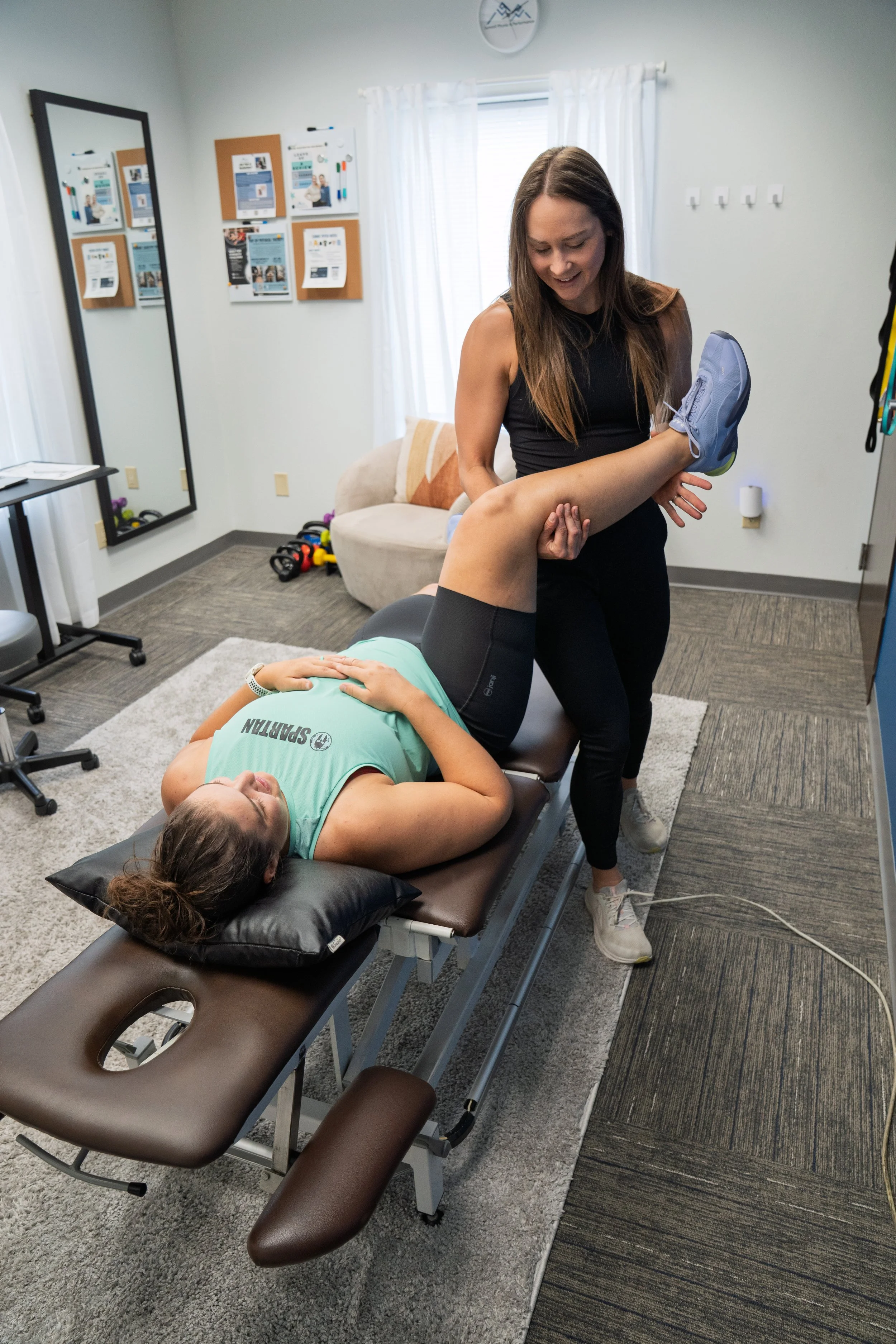
Superficial Back Line From the bottom of your feet, up through your calves, hamstrings, spine, and over your skull. Critical for posture and forward bending.
Superficial Front Line From the tops of your feet, through your quads, abs, and up to your neck. Essential for extension and athletic power movements.
Lateral Lines Along the sides of your body, crucial for lateral stability and rotational movements in sports.
Spiral Lines Wrapping around your body in helical patterns, vital for rotational sports and complex movement patterns.
Arm Lines Connecting your hands through your arms to your trunk, important for overhead athletes and lifting mechanics.
Who Benefits from Myofascial Release & Stretching?
-
Improve flexibility, movement efficiency, and power transfer through unrestricted fascial chains.
-
Address long-standing restrictions and compensation patterns that contribute to persistent pain.
-
Break down scar tissue and adhesions while restoring normal tissue mobility after surgery.
-
When traditional stretching isn't enough, myofascial release can unlock restrictions that limit your range of motion.
-
Release physical manifestations of stress stored in the fascial system, promoting overall relaxation and well-being.
Common Conditions We Treat
Chronic muscle tension and tightness
Plantar fasciitis and foot pain
IT band syndrome
Thoracic outlet syndrome
Chronic headaches and migraines
TMJ dysfunction
Scar tissue and surgical adhesions
Hip flexor restrictions
Limited flexibility despite regular stretching
Postural imbalances
Fibromyalgia symptoms
General movement restrictions
What Makes Our Approach Different
Whole-Body Assessment
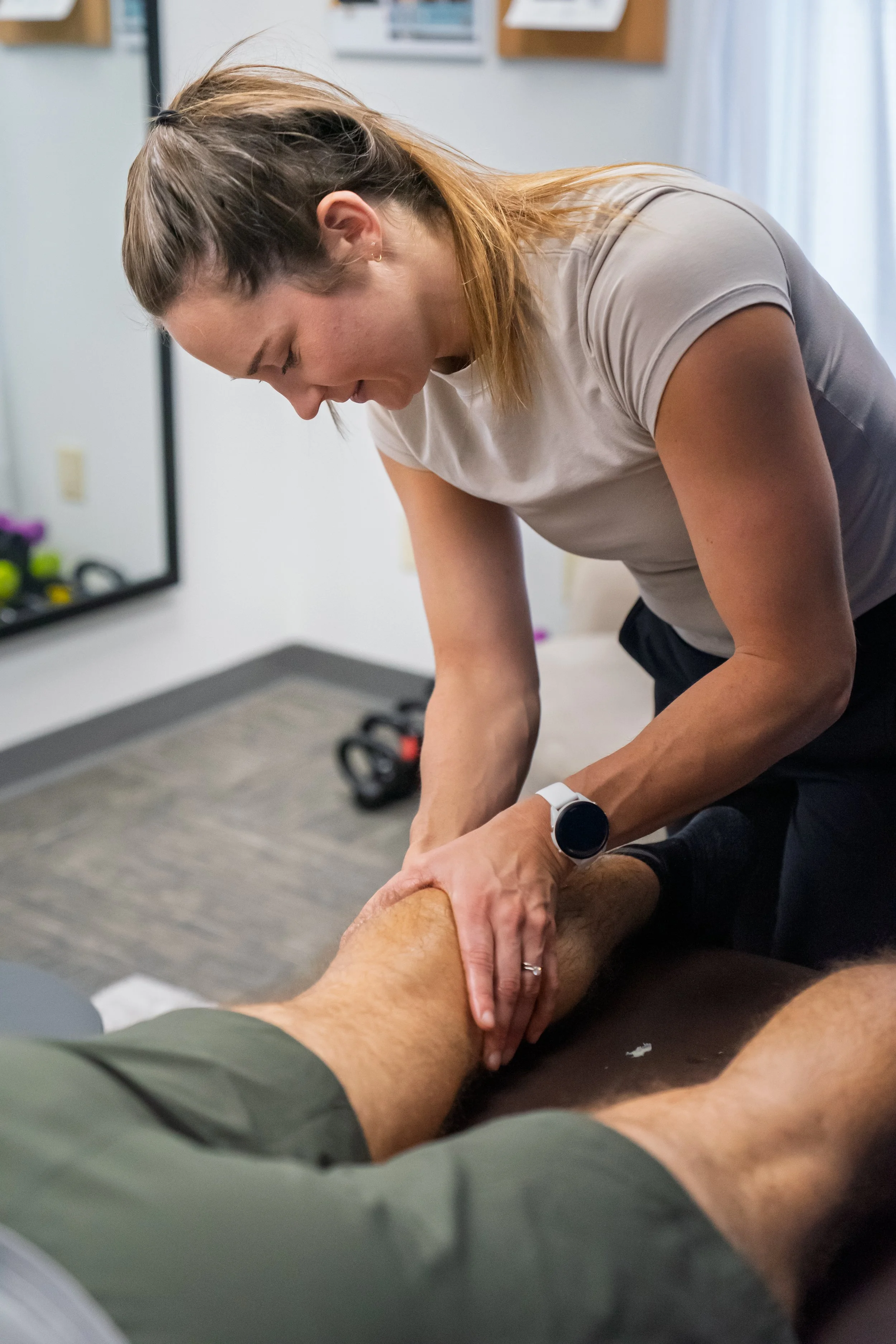
We evaluate fascial restrictions throughout your entire body, not just where you feel pain, to identify the true source of your limitations.
Patient-Guided Treatment
Your body's response guides our treatment. We work with your tissues rather than forcing through restrictions.
Integration with Movement
We combine myofascial release with specific movements and exercises to ensure lasting changes in your movement patterns.
Education and Empowerment
You'll learn self-myofascial release techniques and stretches to maintain your progress between sessions.
What to Expect During Your Treatment
-
We assess posture, movement patterns, and fascial restrictions to create a targeted plan for your specific goals.
-
Sessions often include sustained holds (3–5 minutes or longer) to allow tissue to soften and release. Common sensations include stretching, warmth, and subtle gliding or melting.
-
We may cue deep breathing, visualization, or small guided movements to enhance the release and improve neuromuscular control.
-
We may apply negative pressure (suction) cups along relevant fascial lines to lift tissue, improve glide, and decompress adhered layers.
What you might feel: light pulling, pressure changes, and warmth.
Normal after-effects: temporary circular marks that fade over a few days.
We avoid areas with skin irritation and adjust pressure to your comfort.
-
After releasing restrictions, we reinforce changes with specific mobility drills and strength/stability work so gains carry over to everyday tasks and sport.
-
ou’ll leave with simple exercises, hydration tips, and recovery advice to maintain progress between sessions.
The Treatment Experience
What You'll Feel:
Gentle stretching sensations
Warmth or tingling as circulation improves
Possible emotional release as stored tension releases
Deep relaxation as your nervous system calms
Improved lightness and ease of movement
After Treatment:
Increased flexibility and range of motion
Reduced pain and tension
Improved posture and body awareness
Better movement quality
Enhanced athletic performance
Possible mild soreness for 24-48 hours as your body adapts
Self-Care Between Sessions
Foam Rolling Techniques
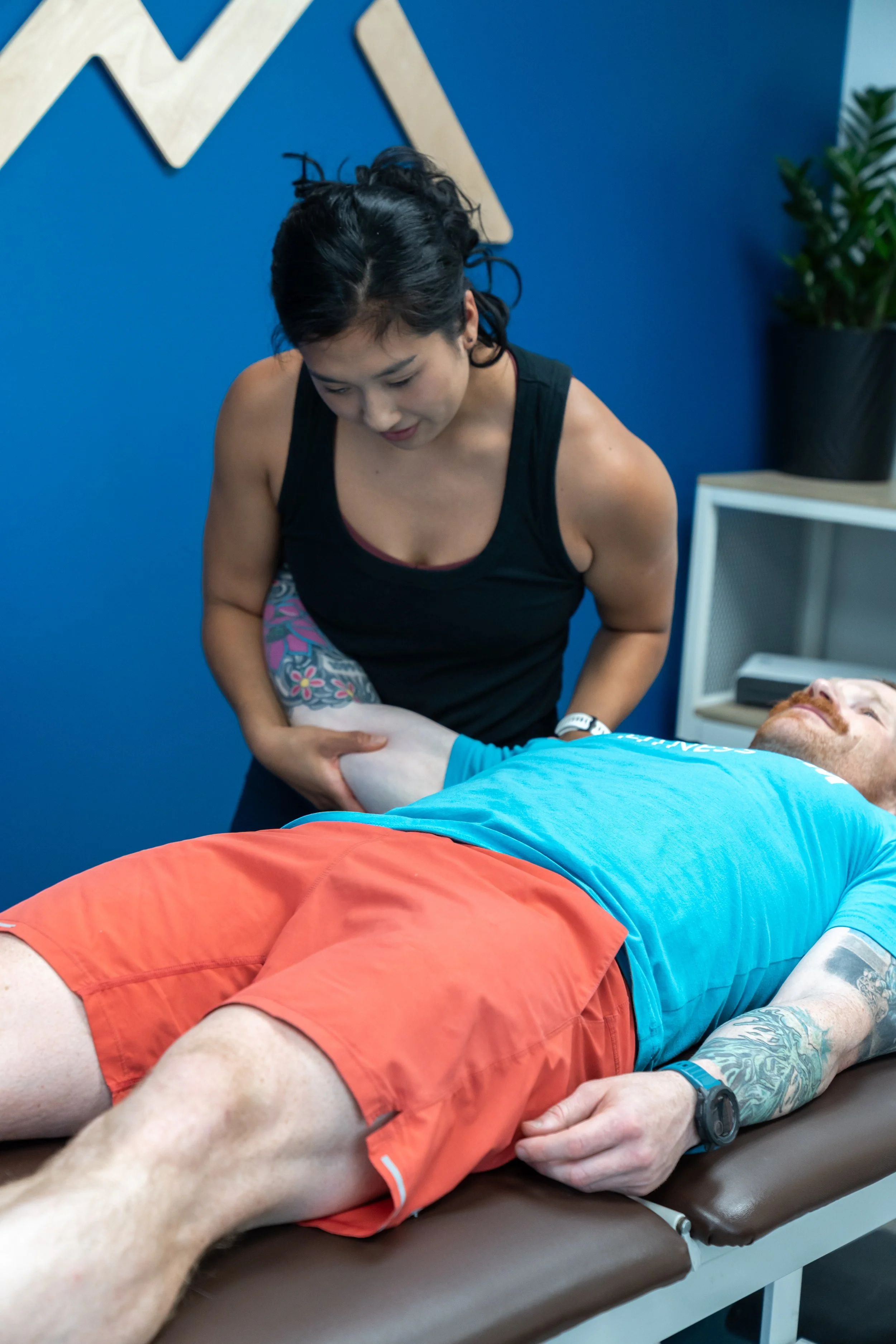
We'll teach you specific foam rolling patterns that complement your treatment and maintain fascial mobility.
Targeted Stretching Routines
Customized stretching sequences designed to address your specific fascial restrictions and movement goals.
Hydration and Movement
Proper hydration and regular movement are essential for maintaining healthy, mobile fascia.
Body Awareness Practices
Simple techniques to improve your awareness of fascial restrictions and address them before they become problematic.
Frequently Asked Questions
How is myofascial release different from massage?
While massage primarily targets muscles, myofascial release specifically addresses the fascial system using sustained pressure and three-dimensional techniques. The pace is slower and the pressure generally lighter, working with your body's natural release patterns.
Why does it take so long to feel the release?
Fascia has unique properties that require time to change. The sustained pressure allows the fascia to slowly soften, elongate, and rehydrate—rushing this process is counterproductive.
Can myofascial release help if stretching hasn't worked?
Absolutely. If you're consistently stretching but not gaining flexibility, you likely have fascial restrictions that need to be addressed. Myofascial release can unlock these restrictions, making your stretching more effective.
How many sessions will I need?
This varies based on the extent of your restrictions and your goals. Many people feel significant improvement in 2-6 sessions, though chronic or extensive restrictions may require more time.
Is myofascial release painful?
Treatment should never be painful. You'll feel stretching and pressure, but we work within your comfort zone. Some areas may be tender, but we adjust our approach to keep you comfortable while still achieving results.
Combining Myofascial Release with Other Treatments
For comprehensive results, we often integrate myofascial release with:
Dry Needling to target deeper fascial restrictions and trigger points
Joint Mobilization to address joint restrictions that contribute to fascial tension
Cuptherapy to create lift and space in restricted fascial layers
Corrective Exercise and Strength Exercises to strengthen and stabilize newly mobile areas
Mobility Exercises for mobilizing and actively stretching areas to reinforce increased range of motion
Movement Retraining to integrate improved mobility into sport-specific patterns
Highly Rated on Google
Ready to Experience True Freedom of Movement?
Discover how myofascial release and stretching can unlock your body's potential. Our expert team at Summit Physio & Performance is ready to help you move better, feel better, and perform at your best.