
The Mental Side of Injury Recovery: Rebuilding Confidence While You Rebuild Your Body
As a physical therapist for over 6 years treating hundreds of patients and owner of Summit Physio & Performance, one thing I’ve really come to appreciate through working with athletes is that recovery isn’t just physical. You can regain your strength, mobility, and physical capacity, but still struggle with fear, confidence, or trusting your body again.
That’s why I think the mental side of recovery and sports psychology is such an important piece of the process. We want to help athletes train their mindset alongside their body, rather than waiting until they’re physically cleared to address it. We know that clients who believe they will get better, typically will. Mindset and positivity can go a long way in recovery.
Today, I’m excited to introduce Darian Gurule, M.S. from Mile High Mentality, a sports psychologist who specializes in mental performance and helping athletes build confidence, focus, and the tools they need to navigate challenges throughout their recovery and performance journey. I hope you enjoy this feature below from Darian.
If you're reading this while working your way back from an injury, there's a decent chance someone has already told you to be patient. And they're probably right. But that doesn't make being injured suck any less.

Maybe you're frustrated watching everyone else train while you're doing rehab exercises. It could be that you've had the same return date circled on the calendar for months. Or maybe things are going really well physically, but the closer you get to returning, the more that little voice starts showing up. What if I hurt it again? What if I'm not as good as I was? Why don't I trust this yet?
If any of that sounds familiar, you're not doing recovery wrong. Research on injured athletes has documented anxiety, frustration, anger, isolation, fear, and changes in motivation throughout rehabilitation. Those emotions don't necessarily disappear in a straight line just because your body is getting stronger. In fact, fear and anxiety can sometimes show back up as return to sport gets closer.
And that makes sense. Doing a controlled exercise with your physical therapist is one thing. Going full speed, reacting without thinking, planting, cutting, landing, or competing again is another. Your body can be making progress while your brain is still asking, “Are we sure about this?”
Physical Recovery and Mental Recovery Don't Always Move at the Same Speed
When you get injured, the physical plan is usually pretty clear. Restore movement, rebuild strength, progressively load the injured area, hit your benchmarks, and work your way back toward the demands of your sport. But there's another part of the comeback that deserves attention too: trusting yourself again.
Research following sport injury gives us a great example. Fear of reinjury can negatively affect rehabilitation outcomes and even prevent a successful return to sport (Hsu et al., 2017). That doesn't mean confidence alone determines whether someone gets back to sport. What it does show us is that being physically capable and feeling psychologically ready to use that capability aren't necessarily the same thing.
That's why we don't think the mental side of recovery should wait until the end. While your physical therapist is rebuilding what your body can handle, you can be intentionally rebuilding confidence, trust, focus, and readiness right alongside it.
Don't Make “Getting Back” Your Only Goal
If you're currently rehabbing an injury, here's something we'd actually encourage you to do. Grab your phone, a notebook, whatever you have, and write down two goals, these are incredibly important.
First, where are you going? That's your long-term goal. Maybe it's returning to competition, running your first race back, or trusting your body enough that you aren't thinking about the injury every time you move. And don't automatically make the goal “I just want to be who I was before.” Ask yourself a different question: What would it look like to come out of this process better prepared than I went into it?
That doesn't mean pretending the injury was some great thing that happened to you. Injuries can be brutal. It means recognizing that this doesn't have to become a dead end in your development. You're still an athlete, and you're still training. The training just looks different right now.
Then set the second goal: What does winning this week look like? Maybe it's completing every rehab session your PT prescribed, progressing an exercise, getting through a movement you've been nervous about, or practicing imagery a few times. Goal setting has appeared over and over in the injury-rehabilitation literature as a coping strategy used by athletes and active populations. But there's another reason we love short-term goals: they give you evidence.
Your long-term goal gives your recovery direction. Your short-term goals give you reasons to believe you're getting there.
Your Physical Reps Might Be Limited. Your Mental Reps Don't Have to Be.
Now let's take that same idea somewhere else. Take a few minutes and mentally put yourself back into your sport. See the environment. Hear what's around you. Feel your feet underneath you. Imagine yourself planting, cutting, landing, sprinting, lifting, or whatever your return looks like.

And don't only picture a perfect highlight reel. Imagine some of the nerves showing up too. Imagine noticing them, settling yourself, and executing anyway. Practice the response you want before you're asked to produce it. The more senses you can include in your visualization sessions, the more the body produces a positive physical response.
This isn't just positive thinking. Psychological interventions during sport-injury rehabilitation have included imagery, relaxation, goal setting, self-talk, counseling, and other approaches (Schwab Reese et al., 2012). Research has found promising effects across outcomes including coping, reinjury anxiety, pain, rehabilitation adherence, fear of movement, and self-efficacy, although the strength of the evidence varies depending on the intervention and outcome.
Where Physical Therapy and Mental Performance Come Together
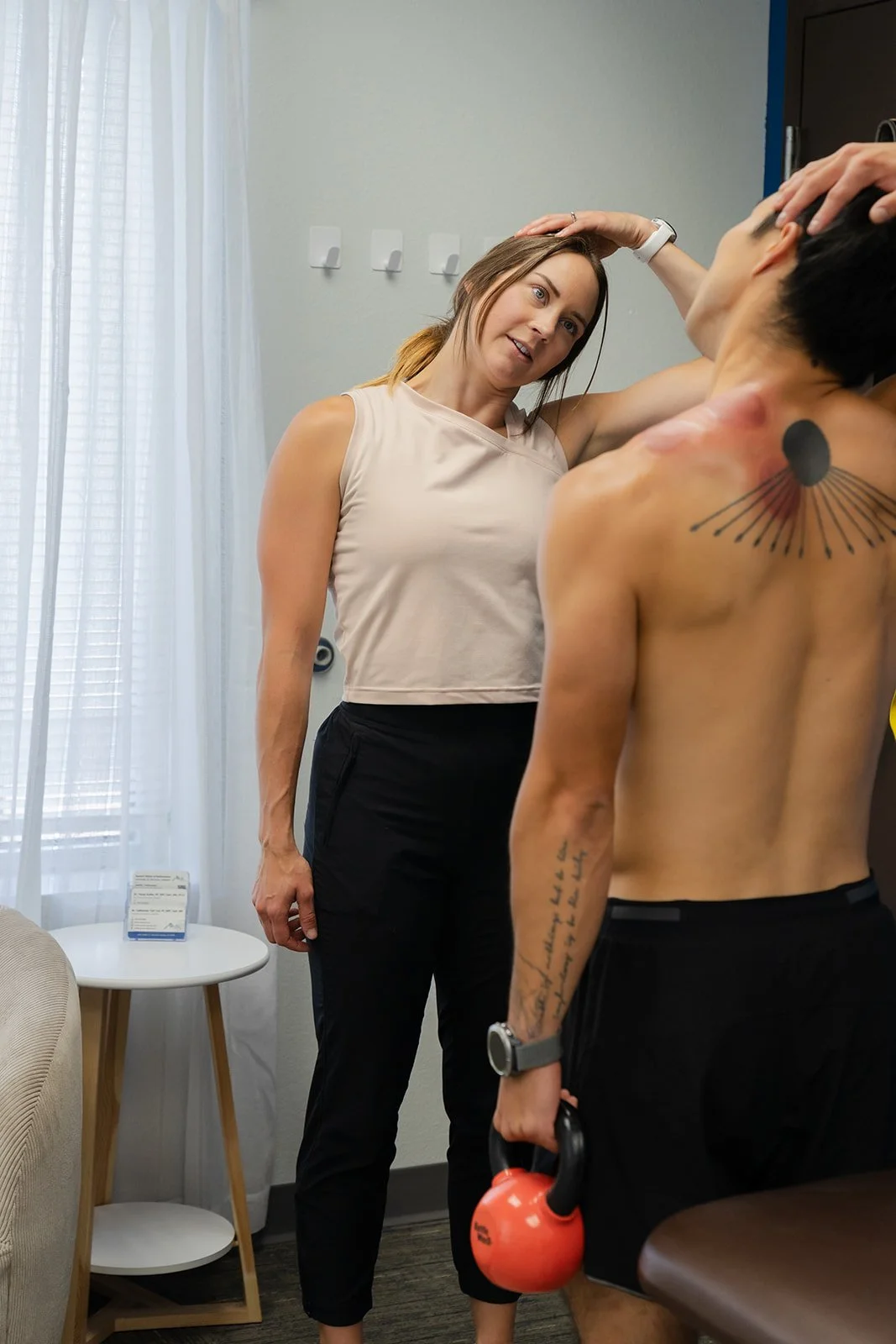
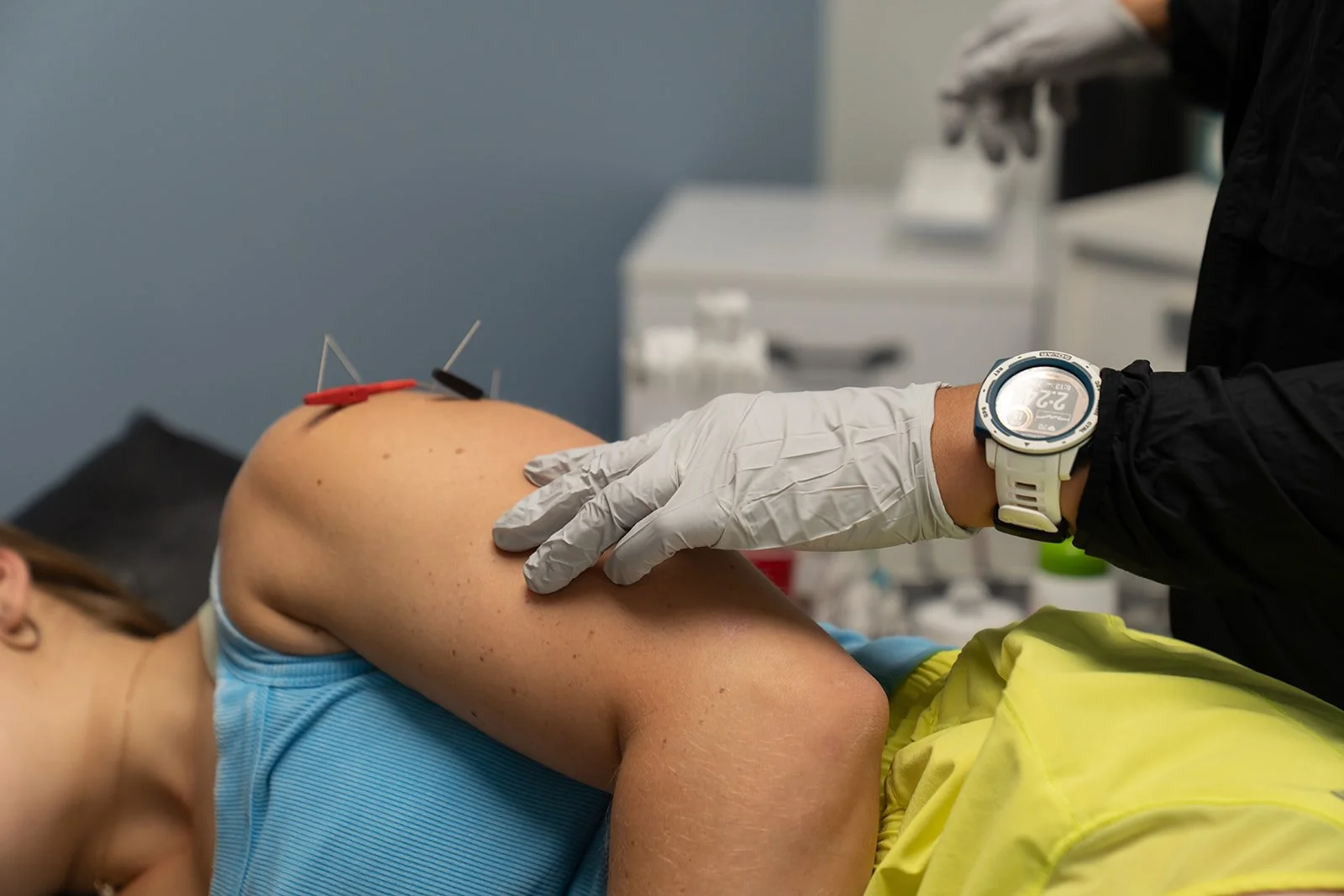
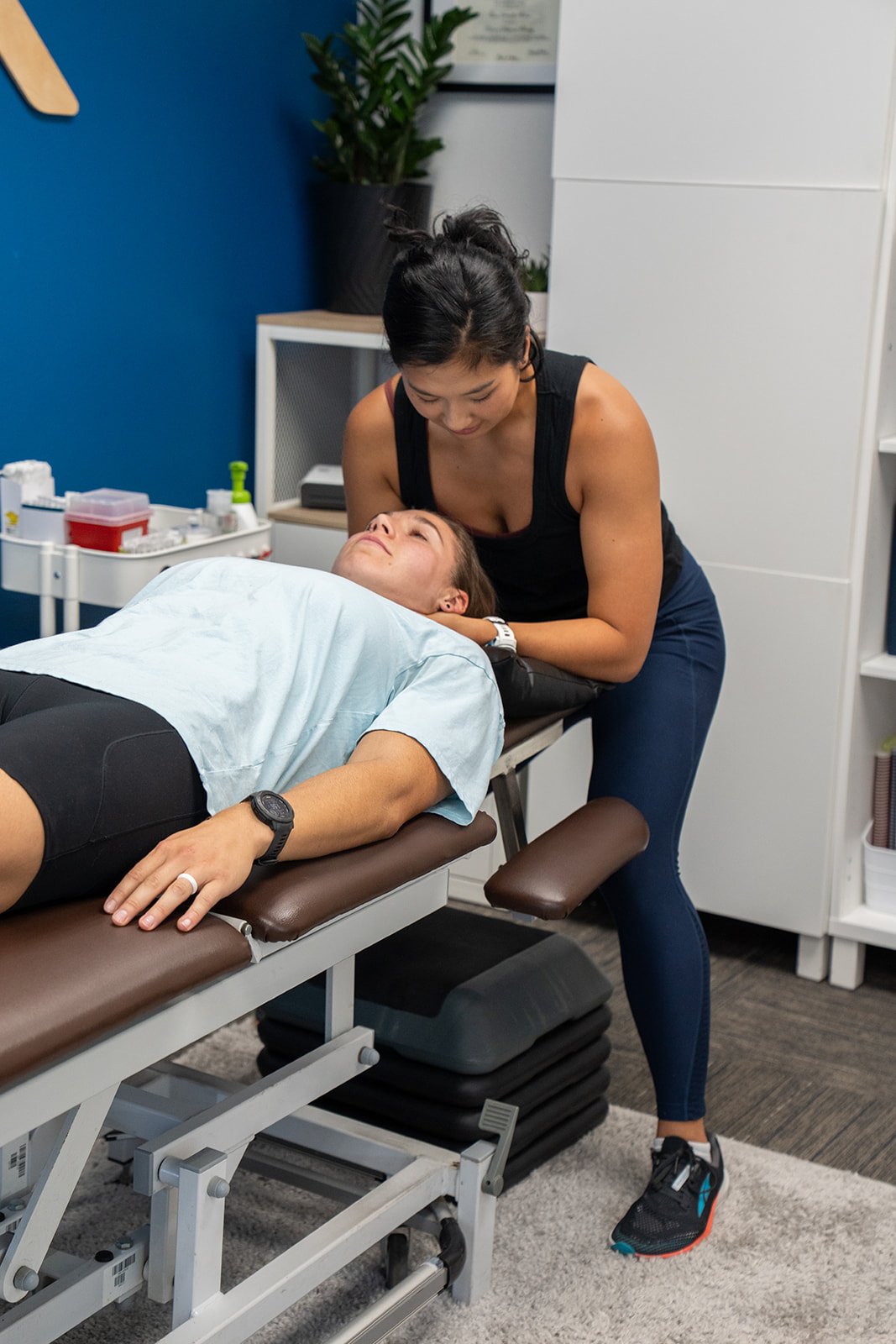
This is where we believe physical therapy and mental performance can be incredibly powerful when they're working in tandem.
Waiting until you're physically cleared by your physical therapist or athletic trainer to suddenly ask “Okay, now how do I become confident again?” leaves an important part of the comeback until the very end. We'd rather build it along the way.
Your physical rehab can give you evidence of what your body is capable of. Mental performance training can help you recognize that evidence, build from it, prepare for what's coming next, and develop tools you'll carry back into your sport.
Maybe you've spent the last few weeks or months wishing you could just be the athlete you were before this happened. We get it. But we'd challenge you to ask one more question: Who do I want to be when I come out the other side?
Maybe you're physically stronger, maybe you understand your mind better. What if you learned how to respond when fear shows up instead of automatically assuming it means you aren't ready. Through this process though, you've developed mental skills you never intentionally trained before.
The injury already happened. You don't get to change that part. But you still have a say in what you build from here. Keep doing the physical work. Stick to the rehabilitation plan. Set the big goal, then win the week in front of you. Pay attention to the evidence your body is giving you and take your mental reps along the way.
The comeback doesn't have to be about recreating the athlete who got injured. It can be about building the athlete who's coming next!
About Mile High Mentality
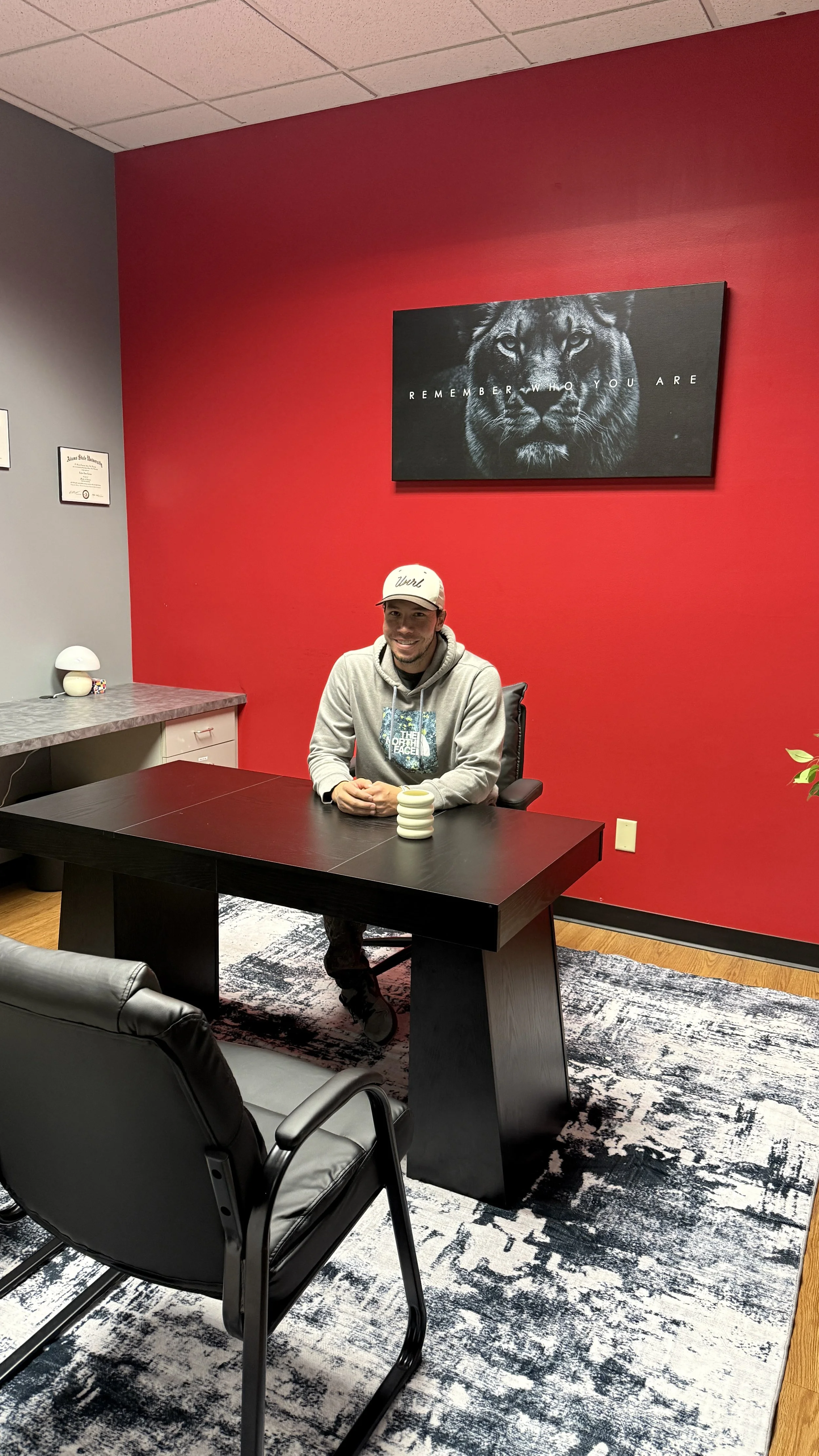

Mile High Mentality provides mental performance coaching for athletes, coaches, and individuals in Colorado Springs and virtually. To learn more about working with them or to schedule a session, visit milehighmentality.com or contact them at darian@milehighmentality.com or taylor@milehighmentality.com
-Darian Gurule, M.S.
-Tessa Kothe, PT, DPT
FAQ
1. Why am I still afraid of reinjury even though my body is getting stronger?
Physical recovery and mental readiness don’t always progress at the same pace. You may regain strength and mobility but still feel anxious about returning to full-speed movements or competition. Fear of reinjury is a common part of recovery, and addressing it alongside physical rehabilitation can help you rebuild confidence and trust in your body.
2. How can I improve my confidence while recovering from a sports injury?
Start by setting both long-term and short-term goals. Your long-term goal gives your recovery direction, while weekly goals help you recognize progress along the way. Visualization, positive self-talk, and practicing how you respond to nerves can also help you prepare mentally for returning to your sport.
3. Why is mental training important during physical therapy?
Returning to sport involves more than meeting physical benchmarks. You also need to feel prepared to trust your body, react confidently, and handle the pressure of competition. Combining mental performance strategies with physical rehabilitation allows you to build confidence and readiness throughout recovery, not just after you're physically cleared to return.
References
Competitive athletes’ psychological and emotional experiences of injury rehabilitation: a scoping review https://pmc.ncbi.nlm.nih.gov/articles/PMC12683862/
Fear of Reinjury in Athletes: Implications for Rehabilitation
https://pmc.ncbi.nlm.nih.gov/articles/PMC5349388/
Negative psychological responses of injury and rehabilitation adherence effects on return to play in competitive athletes: a systematic review and meta-analysis
https://pmc.ncbi.nlm.nih.gov/articles/PMC5352244/
Effectiveness of psychological intervention following sport injury
https://www.sciencedirect.com/science/article/pii/S2095254612000415/
Effectiveness of psychological intervention following ACL reconstruction: a systematic review and meta-analysis https://pubmed.ncbi.nlm.nih.gov/39025000/
The Effectiveness of Psychological Interventions for Patients Undergoing ACL Reconstruction: A Meta-Analysis and Systematic Review