
Overtraining Isn’t a Badge of Honor
In performance culture, exhaustion is often glorified. People wear “no days off” like a personality trait. Missing a workout creates guilt. Fatigue gets brushed off as weakness. And somewhere along the line, many active individuals stop recognizing the difference between productive training stress and a body that is no longer adapting well.
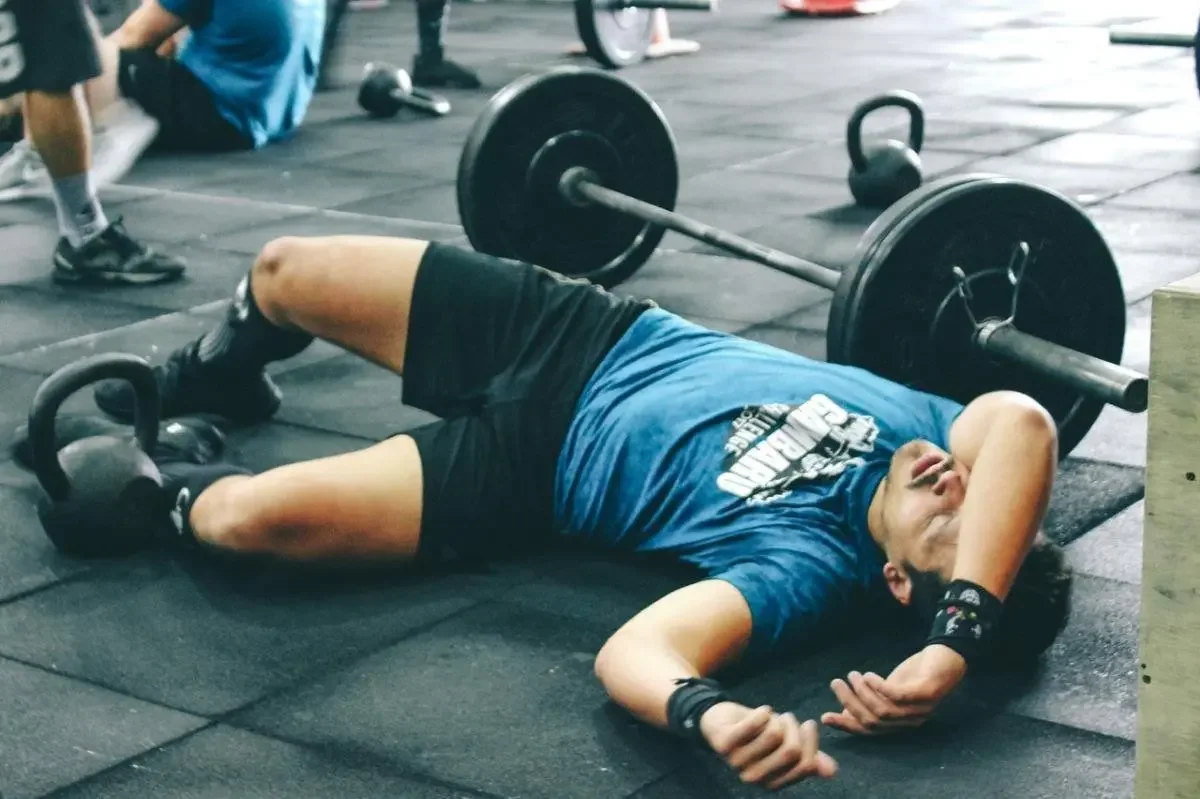
As PTs working in performance settings, we see this constantly and not just in competitive athletes.Overtraining does not only happen to elite athletes. We see it in parents training hard at 5 AM while sleeping 5 hours a night. We see it in recreational lifters chasing PRs during periods of high stress. We see it in people trying to “outwork” poor recovery habits with more intensity.
The literature defines overtraining syndrome as a maladaptive response to excessive training load without adequate recovery, resulting in prolonged performance decline alongside neurologic, hormonal, immune, and psychological changes.
Training is supposed to create fatigue. Good programming intentionally introduces stress so the body can adapt. Temporary soreness is normal, but the goal is not to be incredibly sore day in and day out. Over-training can exist on a spectrum and is very individualized.
Kreher (2016) discusses how athletes can move from functional overreaching (short-term fatigue that improves performance after recovery) into nonfunctional overreaching and eventually overtraining syndrome when recovery is consistently insufficient.
The Physical Signs
Persistent Fatigue
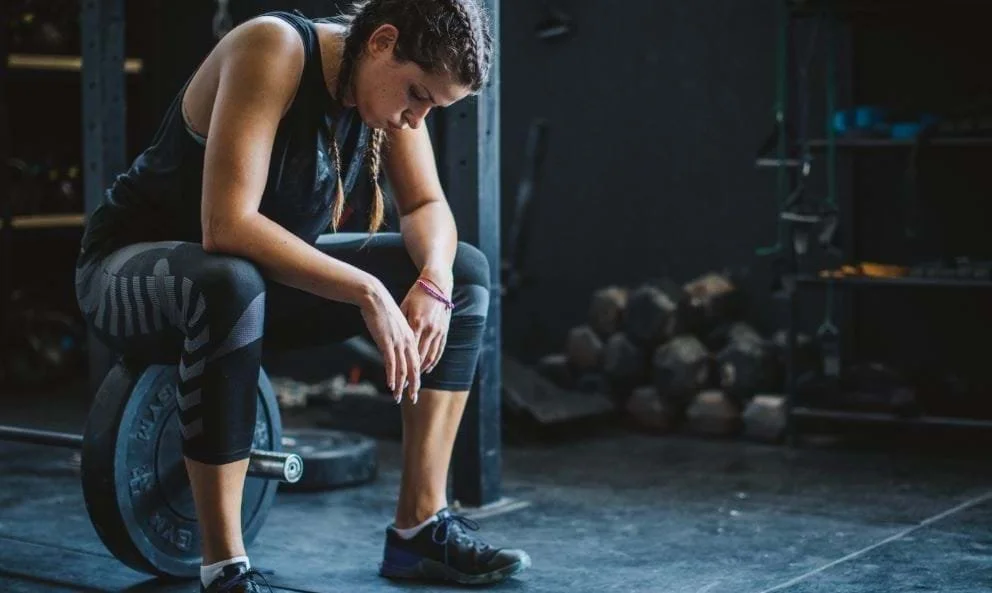
This is usually the first thing people notice. Not “I had a hard leg day” fatigue. It’s the feeling of dragging through sessions despite sleeping, eating, and resting enough on paper. People often describe it as:
“I just don’t feel explosive anymore.”
“Everything feels harder than it should.”
“I can’t recover between sessions.”
Elevated Resting Heart Rate (RHR)
If RHRs are consistently sitting 5–10 beats above baseline, that can reflect an increased sympathetic nervous system activity and incomplete recovery. Essentially the body is staying in a heightened stress state.
There are other factors that could contribute to an elevated RHR but when combined with poor sleep, worsening performance, irritability, and persistent soreness, it points the arrow at overtraining.
Decreased Performance
The literature repeatedly notes that performance decline is one of the central clinical markers of overtraining syndrome. Which looks like:
Strength & endurance dropping
Recovery between sets worsening
RPE (Rate of Perceived Exertion) skyrocketing for normal loads
Prolonged Soreness and Joint Irritability
When soreness lingers well beyond the expected recovery window (24-48 hours), or joints constantly feel irritated, the body may not be adapting efficiently anymore.
This is especially common in:
Many people interpret this as “tightness” and chase endless mobility work when the real issue is your recovery.
Getting Sick More Frequently
One of the less appreciated signs of excessive training stress is compromised immune function. The review on overtraining highlights alterations in immune response associated with excessive training load.
Minor colds
Frequent upper respiratory infections
Feeling run down
Slow healing
Mental and Emotional Signs
One of the biggest misconceptions about overtraining is that it is purely physical but the nervous system does not separate physical stress from emotional stress particularly well. Some mental and emotions of signs of overtraining include:
Mood Changes
Increased irritability, anxiety, emotional volatility, or low mood are commonly reported.
Reduced resilience to normal daily stressors.
Small inconveniences can feel overwhelming.
Loss of Motivation
One of the clearest warning signs is when someone begins dreading training they normally love. Performance training usually enhances quality of life. When every session feels mentally exhausting, something is off. This does not mean you suddenly became lazy. Sometimes it means your body is asking for recovery instead of more output.
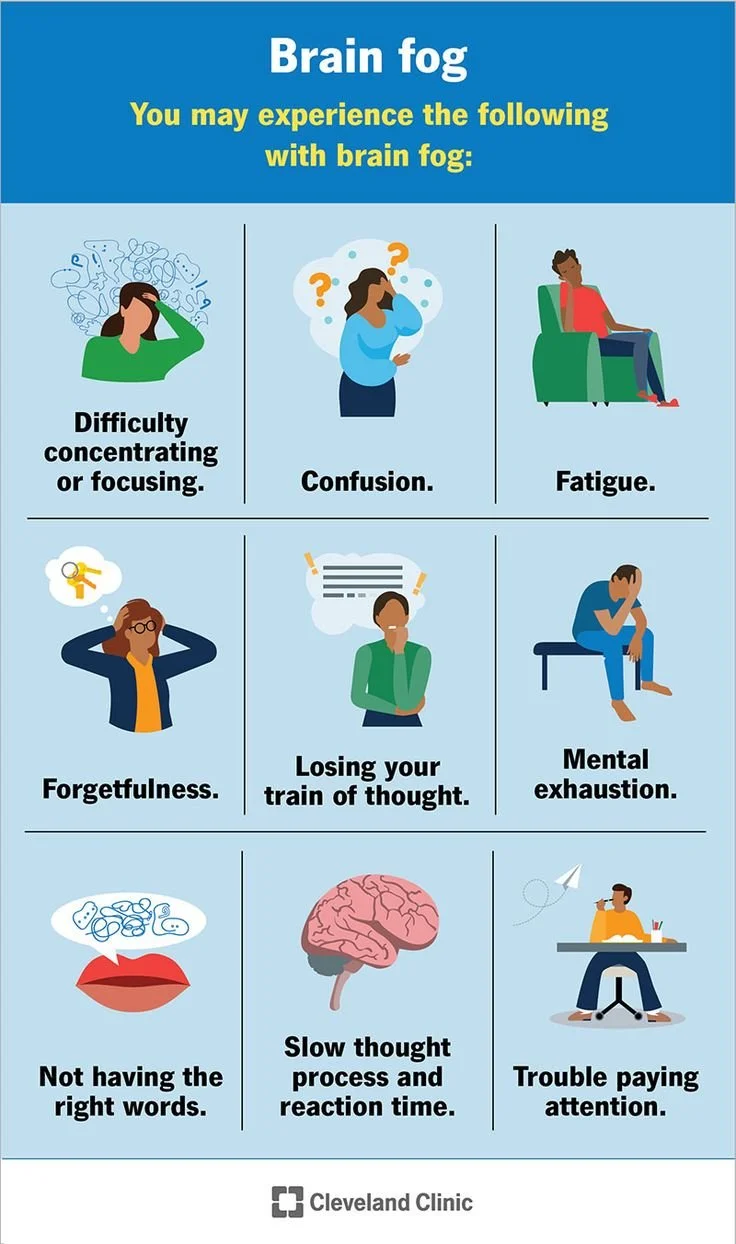
Brain Fog and Mental Fatigue
Poor concentration, low mental sharpness, and “feeling heavy” cognitively are extremely common in chronically under-recovered individuals. Sleep deprivation alone significantly affects cognitive performance, reaction time, pain sensitivity, and emotional regulation. And unfortunately, many active adults normalize functioning in a chronically sleep-deprived state.
Recovery is where performance actually happens. And despite what social media often pushes, the biggest improvements in recovery usually do not come from expensive gadgets or trendy recovery hacks.
The largest changes almost always come from what we call the “big three”:
Sleep
Nutrition
Appropriate training modification
These are the things that directly affect how your body heals, adapts, performs, and tolerates stress over time.
Tools like sauna, cold plunge, red light therapy, massage guns, and other recovery modalities can absolutely help someone feel better, but they should be viewed as additions, not the foundation. Most people would see far greater changes from consistently sleeping more, fueling properly, and adjusting training load than from relying on recovery “toys.”
Because these topics play such a massive role in both performance and injury recovery, we’ll break each of them down further in future blog posts. For now, here are the things to know.
Sleep: The Most Powerful Recovery Tool People Ignore
If there is one area we consistently see underestimated, it is sleep. Sleep is when tissue repair, hormonal regulation, nervous system recovery, memory consolidation, and physiologic adaptation occur.
Sleep and Tissue Healing
Sleep is when the body lays down new collagen and repairs damaged cells. And sleep is shown to be a predictor of pain (Finan et al., 2013)
That matters enormously for:
Tendon healing
Muscle recovery
Bone stress injuries
General tissue adaptation
If someone is sleeping 5–6 hours per night while training intensely, recovery capacity is already compromised.
Sleep and Performance
The effects of sleep deprivation are extremely prevalent in an active or performance based lifestyle.
60% higher injury risk with 5 hours of sleep compared to 9.(Milewski et al., 2014).
Reduced protein synthesis and increased inflammation with less than 7 hours(Lamon et al., 2021)
Reduced peak performance and earlier exhaustion with sleep restriction
This is why we often tell patients:
You cannot out-recover chronic sleep deprivation with recovery gadgets.
What Actually Helps Sleep?
The basics are not glamorous, but they work:
Consistent sleep/wake times
Morning sunlight exposure
Reducing pre-sleep light exposure
Cooler sleeping environments( 60-65 deg F)
Limiting late caffeine intake. (stopping after 12 pm)
Getting enough total sleep duration
Typically 8–10 hours is recommended for highly active individuals with attention to sleep quality and consistency.
Nutrition: Recovery Requires Fuel
One of the most common things we see in performance settings is people unintentionally under-fueling. Especially in active adults trying to stay lean, lose weight, or improve performance while balancing busy lifestyles. Sometimes all simultaneously.
As a whole, the body needs energy to recover, repair tissue, support hormone function, build muscle, regulate the immune system and maintain performance. Chronically under-eating while training hard pushes the system toward breakdown instead of adaptation. And caloric intake needs to match and support training demands.
Many people dramatically underestimate how much fuel performance actually requires.
Protein Matters More Than Most People Think
Adequate protein intake supports recovery, tissue repair, and muscle protein synthesis. Protein demands will vary depending on goals and activity but generally:
0.7–1.0 g/lb of lean body mass daily
If you know your overall body fat %, to calculate lean body mass, multiply your total weight by your body fat percentage (as a decimal), then subtract that number from your total weight
Distributed throughout the day across meals is preferred
We routinely see people training intensely while massively under-consuming protein. Then they wonder why soreness persists and recovery stalls.

Nutrition Does Not Need To Be Perfect
One of the biggest mistakes people make is chasing extreme nutrition strategies instead of consistency.
Most people would benefit more from:
Eating enough overall
Getting adequate protein
Reducing ultra-processed foods
Supporting training with carbohydrates
Staying hydrated
Training Strategically: When Less Becomes More
One of the hardest adjustments for active individuals is recognizing when training needs to shift, not stop, just change.
Fatigue, lingering soreness, or stalled performance aren’t always signs to push harder. Sometimes they’re signals that the current training dose is no longer well-tolerated.
Strategic training modifications can include:
Reducing total weekly volume
Adjusting intensity (load or proximity to failure)
Increasing rest between sessions
Incorporating deload weeks
Changing exercise selection to reduce local tissue stress
Emphasizing aerobic base work when high-intensity output is poorly recovered
Importantly, these decisions are highly individual. When pain, recurring irritation, or persistent overload patterns are present, this is where working with PT becomes valuable. The right adjustments will need to be specific to how your tissues, recovery capacity, and injury history are responding to load.
A good rehab or performance PT helps you:
Identify what’s actually driving overload
Modify training without losing performance adaptations
Keep you training while respecting tissue capacity
Progress loading back up safely instead of guessing
Key Takeaways
When you zoom out, the pattern is consistent. Most performance issues, nagging injuries, and periods of stalled progress aren’t caused by a lack of effort but a gradual mismatch between training stress and recovery capacity. By the time performance drops or pain shows up, the issue has usually been building for a while.
This is where physical therapy in a performance setting matters: not pulling people out of training, but helping recalibrate it so they can keep progressing without accumulating the same cycle of fatigue, flare-ups, and stalled performance. If this resonates, individualized guidance can make a significant difference in how you train, recover, and stay consistent long term.
Dr. Cat Cui, PT, DPT
Q&A
Can overtraining cause injuries?
Yes. Insufficient recovery can contribute to recurring tendon pain, low back irritation, shoulder overload, Achilles issues, and other overuse injuries.
What are the mental and emotional signs of overtraining?
Signs may include:
Increased irritability
Anxiety or mood swings
Reduced motivation to train
Mental fatigue
Brain fog
Difficulty concentrating
Why is sleep so important for recovery?
Sleep is when the body performs tissue repair, regulates hormones, supports immune function, and adapts to training stress. Poor sleep can significantly reduce recovery and increase injury risk
Reference List
Finan, P. H., Goodin, B. R., & Smith, M. T. (2013). The association of sleep and pain: An update and a path forward. The Journal of Pain, 14(12), 1539–1552. https://doi.org/10.1016/j.jpain.2013.08.007
Kreher, J. B. (2016). Diagnosis and prevention of overtraining syndrome: An opinion on education strategies. Open Access Journal of Sports Medicine, 7, 115–122.https://doi.org/10.2147/OAJSM.S91657
Lamon, S., Morabito, A., Arentson-Lantz, E., Knowles, O., Vincent, G. E., Condo, D., Alexander, S. E., Garnham, A., Paddon-Jones, D., & Aisbett, B. (2021). The effect of acute sleep deprivation on skeletal muscle protein synthesis and the hormonal environment. Physiological Reports, 9(1), e14660. https://doi.org/10.14814/phy2.14660
Milewski, M. D., Skaggs, D. L., Bishop, G. A., Pace, J. L., Ibrahim, D. A., Wren, T. A. L., & Barzdukas, A. (2014). Chronic lack of sleep is associated with increased sports injuries in adolescent athletes. Journal of Pediatric Orthopaedics, 34(2), 129–133. https://doi.org/10.1097/BPO.0000000000000151