
Most athletes spend hours perfecting their training, nutrition, and supplements, but ignore the number one recovery tool that impacts every one of them, sleep. Good sleep starts long before your head hits the pillow.
Sleep isn't just about feeling rested. It affects the following:
Muscle recovery
Injury risk
Reaction time
Strength gains
Pain sensitivity
Hormone regulation
Mood and motivation
Overall health and wellness
Why Sleep Matters
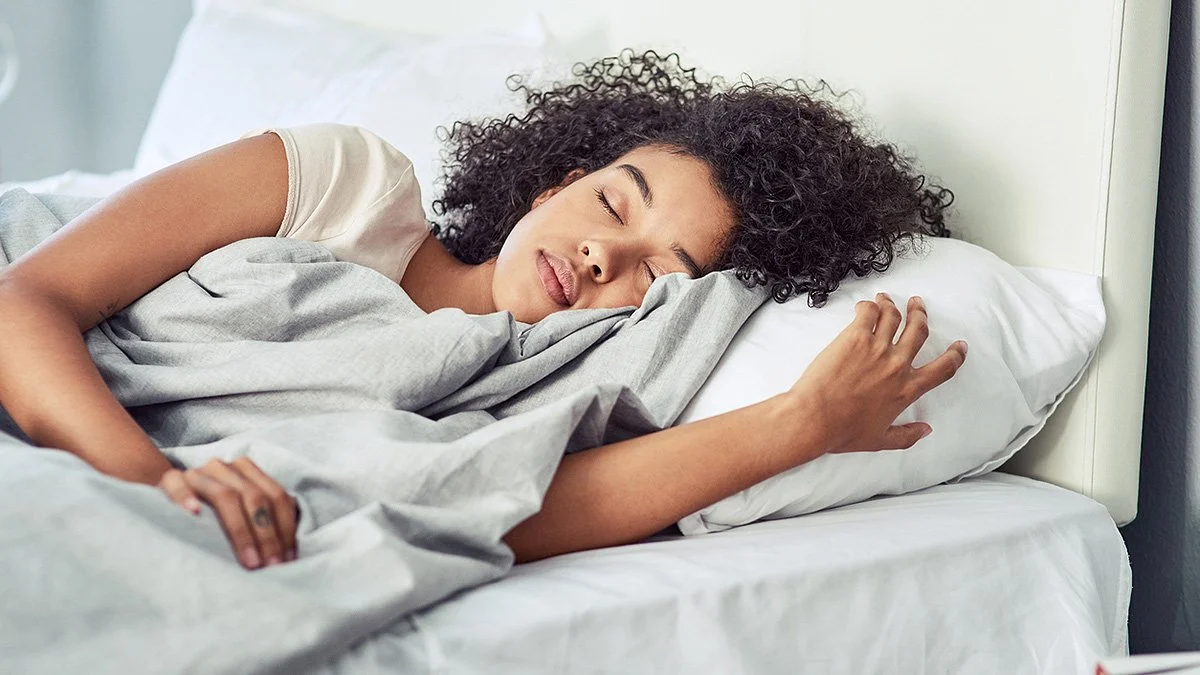
Sleep is one of the most powerful recovery tools available, yet it is often the first thing sacrificed when life gets busy. While you sleep, your body repairs damaged tissues, builds muscle through increased muscle protein synthesis, and releases growth hormone, which plays a critical role in recovery and adaptation from training.
Sleep also has a significant impact on pain. Even one or two nights of poor sleep can increase pain sensitivity, making everyday aches feel more intense and potentially slowing rehabilitation. For individuals already dealing with chronic pain, inadequate sleep can create a frustrating cycle where pain disrupts sleep, and poor sleep further amplifies pain.
Beyond recovery and pain, sleep is essential for athletic performance. It supports coordination, reaction time, decision making, strength, sprint speed, endurance, and overall physical performance. Finally, sleep plays a key role in injury prevention. Research has consistently shown that athletes who sleep less than approximately eight hours per night are at a significantly greater risk of sustaining injuries compared to those who regularly achieve more sleep (De Pasquale et al., 2024).
Whether you're training for your next competition, recovering from an injury, or simply trying to feel your best, prioritizing quality sleep is one of the highest-return investments you can make in your health and performance.
Whether you're training for your next race, trying to keep up with your kids, working toward a new PR, or recovering from an injury, quality sleep helps you get more out of the effort you put into your body. Fortunately, improving your sleep doesn't have to be complicated. The following sleep hygiene strategies are simple, evidence-based habits that can improve both the quality and quantity of your sleep.
1. Keep Your Sleep Schedule Consistent
Getting enough sleep is important, but keeping a regular sleep schedule matters too. Your body relies on a circadian rhythm, an internal clock that helps regulate when you feel sleepy and alert. Frequently changing your bedtime or wake-up time can disrupt this rhythm and make it harder to get quality sleep. (Dijk DJ, 2001).
One common example is social jet lag, where your sleep schedule shifts between workdays and weekends. Sleeping for several hours on Saturday and Sunday may feel helpful, but it can make it more difficult to fall asleep Sunday night and leave you feeling sluggish on Monday morning.
Practical Tips:
Aim to wake up within 30 minutes of the same time every day.
Keep both your bedtime and wake-up time as consistent as possible.
If you're sleep deprived during the week, try getting to bed earlier instead of relying on long weekend sleep-ins.
2. Cool Your Bedroom
As bedtime approaches, your core body temperature naturally begins to drop.The drop in temperature starts about two hours before you go to sleep, coinciding with the release of the sleep hormone melatonin (Lok et al., 2019). If your sleeping environment is too warm, it can interfere with this cooling process, making it more difficult to fall asleep and stay asleep.
Most sleep experts recommend keeping your bedroom cool, often around 65°F. although the exact temperature varies from person to person. If you tend to sleep hot, keeping your room cool may help reduce nighttime awakenings and improve sleep quality.
Practical Tips:
Set your thermostat between 60–67°F if it's comfortable for you.
Use a fan to improve airflow.
Choose breathable sheets and lightweight pajamas.
Consider a cooling mattress pad or pillow if you frequently wake up feeling overheated.
3. Make Your Room Dark
Artificial light at night can interfere with your body's natural production of melatonin, the hormone that helps you fall asleep. Light from street lights, phones and other electronics, illuminated alarm clocks, and small LED lights or nightlights can signal to your brain that it's still daytime, making it harder to fall asleep and stay asleep. Creating a darker bedroom by limiting these light sources can improve sleep quality and support better recovery.
Practical Tips:
Blackout curtains
Wear an eye mask
Tape over bright LEDs
Dim lights 1–2 hours before bed
Use “night shift” on iphone to reduce blue light
4. Get Morning Sunlight

If you only change one thing to improve your sleep, make it this. Morning sunlight is one of the strongest signals that sets your circadian rhythm, your body's internal clock. Getting outside shortly after waking helps reinforce your sleep-wake cycle, making you feel more alert during the day while helping your body produce melatonin at the appropriate time that evening (Patte et al., 2019; Siengsukon et al., 2017).
Research has consistently shown that morning light exposure helps advance sleep timing and improves subjective sleep quality, while too little daytime light or excessive evening light can disrupt the body's natural sleep-wake cycle ((Patte et al., 2019).
Practical Tips:
Spend 5–15 minutes outdoors within the first hour of waking.
If it's safe, avoid sunglasses during this time so more natural light reaches your eyes.
Don't skip on cloudy days, even overcast daylight is much brighter than typical indoor lighting.
5. Time Your Workouts Wisely
Regular exercise is one of the best things you can do for your sleep. However, very intense workouts close to bedtime may make it harder for some people to fall asleep (Stutz et al., 2019).
High-intensity exercise, like an 8:00 p.m. CrossFit class can leave your heart rate elevated, increase your core body temperature, and keep your nervous system in a more alert state. For some people, this can delay the body's natural transition into sleep, especially if they head straight to bed after training (Stutz et al., 2019).
If evening workouts are the only option, don't worry, you don't have to stop exercising. Instead, focus on helping your body transition into recovery before bed.
Practical Tips:
Allow time for a longer cool-down before heading home.
Spend 5–10 minutes doing light stretching or easy walking.
Take a warm shower after training to promote cooling afterward.
Avoid caffeine or other stimulants late in the day.
6. Nap Strategically
Naps aren't bad. The key is knowing when and how long to nap. A short nap of 10–30 minutes can improve alertness, mood, and performance while minimizing the grogginess that often follows longer naps. In contrast, naps that are too long or taken late in the afternoon are more likely to interfere with nighttime sleep (Siengsukon et al., 2017).
For some people, naps are especially valuable. Shift workers, new parents, and athletes during periods of heavy training may benefit from planned naps when getting enough nighttime sleep isn't always realistic.
Practical Tips:
Keep naps between 10–30 minutes.
Aim to nap before 3:00 p.m. whenever possible.
If you regularly need long naps, it may be a sign that you're not getting enough quality sleep at night.
7. Watch Your Caffeine
Caffeine has a relatively long half-life, meaning it remains active in the body for several hours after consumption. Because of this, a morning coffee may not be an issue for most people, but an afternoon coffee or evening pre-workout can still affect sleep later that night (Gardiner et al., 2023).
A recent systematic review and meta-analysis found that caffeine consumption can delay sleep onset, reduce total sleep time, and decrease sleep efficiency. The authors estimated that a standard serving of coffee may need to be consumed approximately 9 hours before bedtime to minimize sleep disruption, while larger doses, such as those commonly found in pre-workout supplements, may require even more time between consumption and sleep (Gardiner et al., 2023).
Practical Tips:
If you are sensitive to caffeine, consider stopping caffeine after 12 p.m. or earlier.
Avoid high-dose pre-workout supplements in the evening.
Remember that caffeine can hide in more than just coffee:
Chocolate
Energy drinks
Some medications and pain relievers
8. Limit Alcohol, Smoking, and Large Meals Before Bed

A nightcap may help you fall asleep faster, but alcohol can negatively affect the quality of your sleep. While alcohol initially has a sedating effect, it can disrupt normal sleep architecture by reducing REM sleep, increasing nighttime awakenings, and leading to less restorative sleep overall (Ebrahim et al., 2013).
Smoking, on the other hand, can lead to difficulty falling asleep due to the nicotine in cigarettes. Nicotine is a stimulant that increases alertness, raises your heart rate, and can make it harder for your body to relax at bedtime. It may also contribute to more frequent nighttime awakenings and reduce overall sleep quality. Over time, poor sleep can impact recovery, energy levels, and overall health, making smoking a significant barrier to getting restorative rest (Siengsukon et al., 2017).
Large meals close to bedtime can also interfere with sleep, especially if they cause digestive discomfort or reflux. Giving your body time to digest before lying down may help improve comfort and reduce sleep disruption (Siengsukon et al., 2017).
Practical Tips
Limit alcohol and smoking 3-4 hrs before bed
Avoid large, heavy meals within 2–3 hours of going to sleep.
If you need a pre-bed snack, choose something smaller and easier to digest.
Other Things to Consider
While improving your sleep habits is a great place to start, there are a few additional tools that may help you better understand and optimize your sleep.
Ask your physical therapist about sleep positioning
If pain, stiffness, or discomfort is affecting your ability to sleep, your sleep position may be part of the solution. Small adjustments, such as pillow placement, positioning strategies, or modifying how you support an irritated area, can help you find a more comfortable position and reduce unnecessary stress on your body overnight.
Consider using sleep tracking devices
Wearable technology, such as smartwatches and fitness trackers, can provide helpful information about sleep patterns, including estimated sleep duration, consistency, and trends over time. However, these devices are not perfect and should be viewed as a tool for identifying patterns rather than a definitive measure of sleep quality. Focus less on achieving a "perfect" sleep score and more on noticing habits and trends that may be affecting how you feel and perform. Not every tracker will be a good fit for each individual. Some people also prefer sleeping with no tracking device and simply following sleep hygiene strategies. If you do choose to purchase or use a wearable, some examples high quality trackers include:
Whoop
Aura ring
Apple watch
Garmin watch
Fitbit
Sleep Hygiene Isn't a Cure-All
If you have consistently practiced healthy sleep habits and still struggle to fall asleep, stay asleep, or wake feeling rested, it may be worth looking deeper. Sleep can be affected by many factors, including:
Sleep apnea: A condition where breathing repeatedly stops or becomes restricted during sleep, often leading to frequent awakenings, poor sleep quality, and daytime fatigue.
Restless legs syndrome: An uncomfortable urge to move the legs, often worse at night, that can make it difficult to fall asleep or stay asleep.
Chronic insomnia: Ongoing difficulty falling asleep, staying asleep, or getting restorative sleep despite having adequate opportunity to sleep.
Circadian rhythm disorders: Problems with the timing of your internal body clock, which can make it difficult to fall asleep or wake up at socially desired times.
Chronic pain: Pain can disrupt sleep by making it harder to get comfortable, increasing nighttime awakenings, and creating a cycle where poor sleep can increase pain sensitivity.
Anxiety and depression: Mental health conditions can affect sleep by increasing stress, racing thoughts, changes in sleep patterns, and difficulty maintaining restful sleep.
Medications and medical conditions: Certain medications, hormonal changes, neurological conditions, and other health issues can interfere with normal sleep patterns.
The goal isn't to chase the perfect sleep routine. It's to understand what may be contributing to your sleep challenges and find an approach that actually works for you. If you've made consistent changes and your sleep still isn't improving, consider talking with a healthcare professional who can help identify the next steps.
Conclusion: Sleep Is Part of Your Training
Better sleep isn't about chasing a perfect number of hours or creating a flawless bedtime routine. It's about building consistent habits that support your body's ability to recover, adapt, and perform.
Just like training, improving your sleep is a process. Small changes, getting morning sunlight, creating a consistent sleep schedule, adjusting your caffeine timing, or improving your sleep environment, can add up over time. Even improving one or two habits can positively impact recovery, performance, pain levels, and overall health.
Sleep is one of the most powerful recovery tools available, and unlike many recovery strategies, it doesn't require expensive equipment or complicated protocols. It starts with simple, consistent habits that allow your body to do what it was designed to do: recover.
If you're struggling with sleep, start by choosing one change you can realistically implement this week. And if pain, injury, or discomfort is keeping you from sleeping well, consider working with a healthcare professional to identify strategies that can help you move, train, and recover better.
Sleep Resources
Helpful Books/Additional Reading:
Dr. Cat Cui, PT, DPT and Dr. Tessa Kothe, PT, DPT
FAQ
Q: How much sleep do I actually need to recover and perform my best?
A: Most adults should aim for 7–9 hours of sleep each night, while athletes or people training regularly may benefit from 8–10 hours. Getting enough quality sleep allows your body to repair muscle tissue, regulate hormones, improve reaction time, and reduce injury risk.
Q: Can poor sleep make my pain feel worse?
A: Yes. Even one or two nights of poor sleep can increase your body's sensitivity to pain, making everyday aches and injuries feel more intense. It can also slow the healing process, creating a cycle where pain disrupts sleep and poor sleep makes pain worse.
Q: What's the easiest thing I can do tonight to improve my sleep?
A: Start with one simple habit. Try keeping a consistent bedtime and wake-up time, making your bedroom cool and dark, or getting 5–15 minutes of morning sunlight after you wake up. Small, consistent changes often have the biggest impact on sleep quality over time.
References
De Pasquale, C., El Kazzi, M., Sutherland, K., Shriane, A. E., Vincent, G. E., Cistulli, P. A., & Bin, Y. S. (2024). Sleep hygiene—What do we mean? A bibliographic review. Sleep Medicine Reviews, 75, 101930. https://doi.org/10.1016/j.smrv.2024.101930
Dijk, D. J., & Lockley, S. W. (2002). Integration of human sleep-wake regulation and circadian rhythmicity. Journal of Applied Physiology, 92(2), 852–862. https://doi.org/10.1152/japplphysiol.00924.2001
Ebrahim, I. O., Shapiro, C. M., Williams, A. J., & Fenwick, P. B. C. (2013). Alcohol and sleep I: Effects on normal sleep. Alcoholism: Clinical and Experimental Research, 37(4), 539–549. https://doi.org/10.1111/acer.12006
Gardiner, C., Weakley, J., Burke, L. M., Roach, G. D., Sargent, C., & Lastella, M. (2023). The effect of caffeine on subsequent sleep: A systematic review and meta-analysis. Sleep Medicine Reviews, 69, 101764. https://doi.org/10.1016/j.smrv.2023.101764
Lok, R., van Koningsveld, M. J., Gordijn, M., Beersma, D. G. M., & Hut, R. A. (2019). Daytime melatonin and light independently affect human alertness and body temperature. Journal of Pineal Research, 67(1), e12583. https://doi.org/10.1111/jpi.12583
Patte, K. A., Janssen, I., Clarke, A. E., Colley, R. C., & Carson, V. (2019). A systematic review of the amount and timing of light in association with objective and subjective sleep outcomes in community-dwelling adults. Sleep Health, 5(1), 31–48. https://doi.org/10.1016/j.sleh.2018.09.004
Siengsukon, C. F., Al-Dughmi, M., & Stevens, S. (2017). Sleep health promotion: Practical information for physical therapists. Physical Therapy, 97(8), 826–836. https://doi.org/10.1093/ptj/pzx057
Stutz J, Eiholzer R, Spengler CM. Effects of Evening Exercise on Sleep in Healthy Participants: A Systematic Review and Meta-Analysis. Sports Med. 2019 Feb;49(2):269-287. doi: 10.1007/s40279-018-1015-0. PMID: 30374942.