
Peptides for Injury Recovery: Benefits, Science, and Safety Tips for Muscle, Tendon, and Cartilage Healing
Peptides & Injury Recovery: What You Need to Know
If you’ve spent any time on fitness Instagram or listened to health podcasts lately, you’ve probably heard people talking about peptides as the next big thing in injury recovery. But what are peptides actually and what does the science say?
In this blog we’ll cover:
What peptides are
Peptides most relevant for injury recovery
Legal, safety and efficacy considerations
How peptides fit into a comprehensive physical therapy plan
Peptides are an exciting, emerging tool in injury recovery, but most are not FDA-approved for orthopedic use and lack strong human evidence. They may have potential, but should be considered adjuncts, not replacements, for physical therapy and evidence-based care.
What Are Peptides?
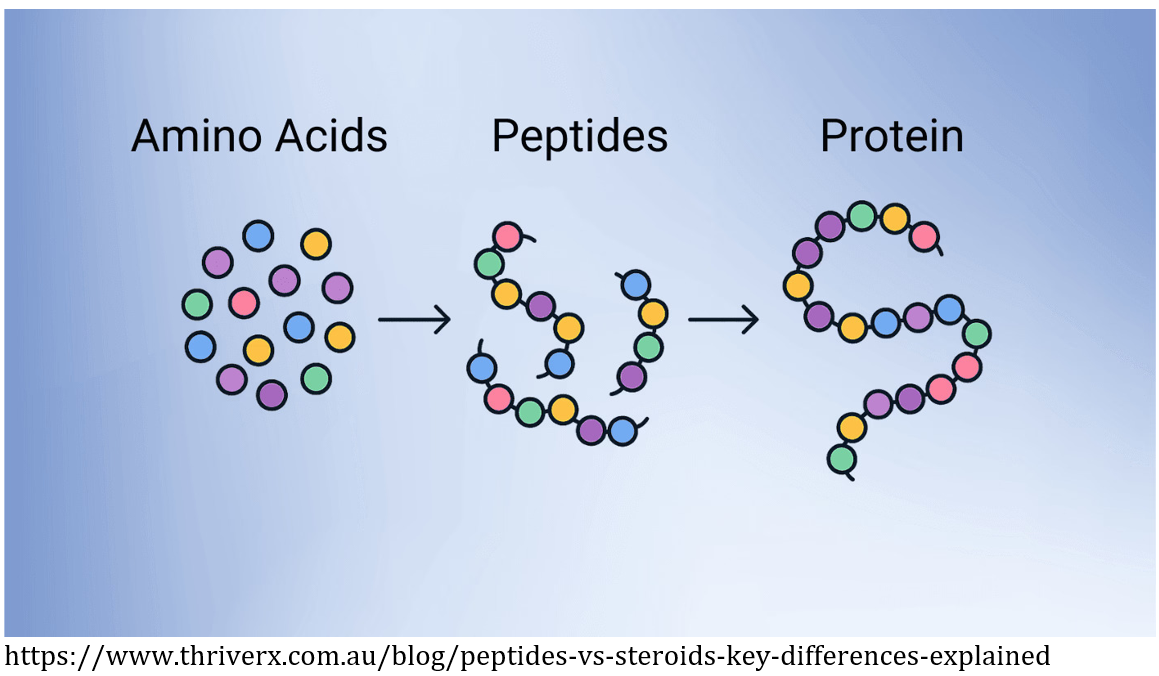
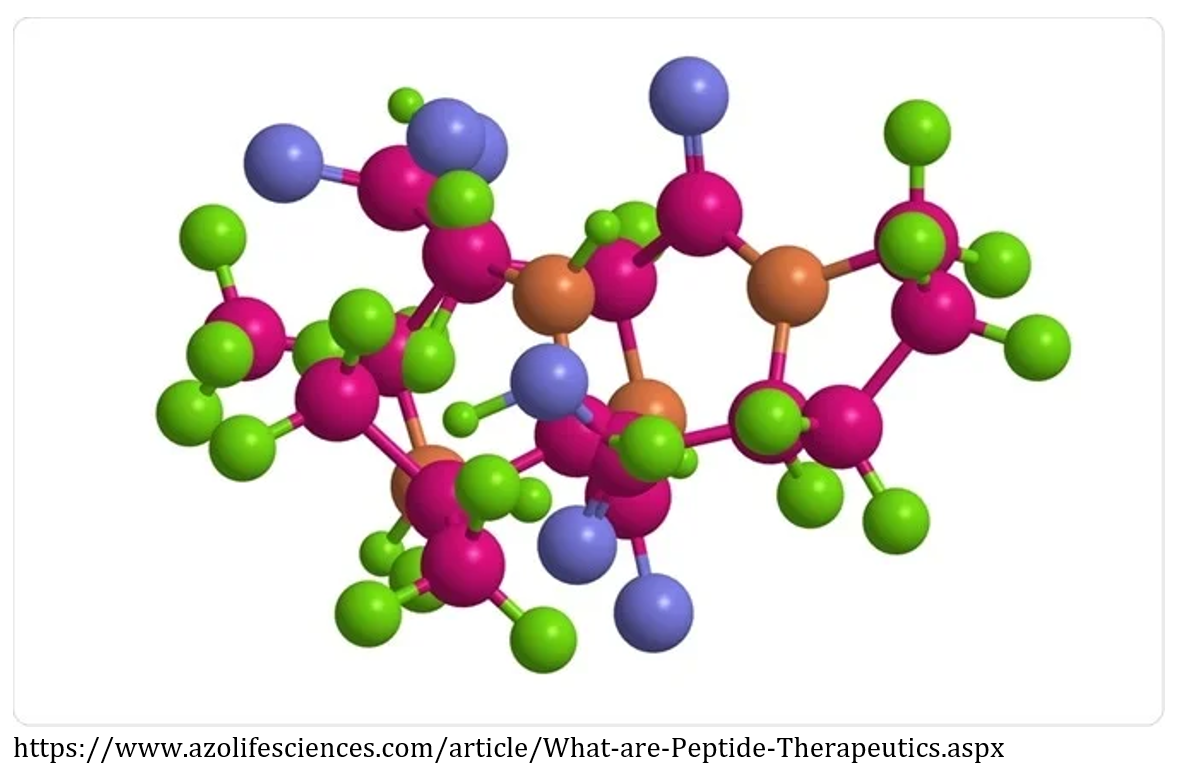
Peptides are short protein chains composed of a series of amino acids that act as targeted messengers in the body. These amino acids are basically smaller versions of proteins your body already uses to send signals and repair tissue. This helps regulate key processes like metabolism, immune function, oxidative stress, and tissue repair (Rahman et al., 2026). Peptides are produced naturally in the body. Currently, over 170 peptide compounds are in active clinical development and more in clinical studies. We can think of peptides like text messages in your body. Some tell your body to build muscle, some help regulate inflammation, and some play a role in healing tissue.
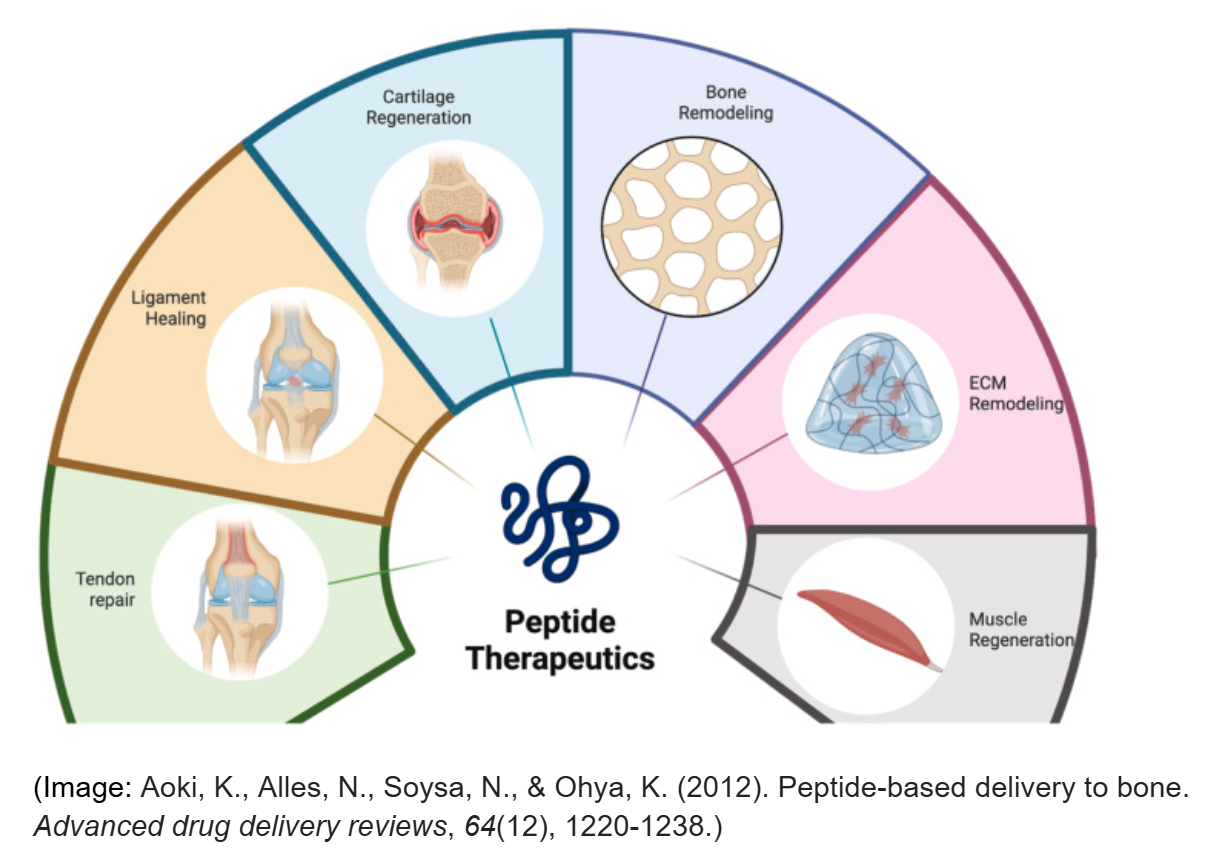
Peptides as therapeutics started in 1921 with the introduction of insulin in the treatment of diabetes. We are now seeing peptide hormones such as oxytocin and human growth hormone and also glucagon-like peptide-1 (GLP-1) receptor agonists such as semaglutide being prescribed for obesity and metabolic disease.
The role of peptides in orthopedics is only more recently a larger discussion of their efficacy in the treatment of tendon healing, cartilage repair, and muscle recovery (Rahman et al., 2026).
Why are peptides gaining attention in rehab?
Peptides are coming into the market rapidly in a way to support healing and tissue repair. We will review the most relevant ones in the rehab space to explain why they are getting this attention.
Top Peptides for Wound and Injury Healing
1. BPC-157 (Body Protection Compound-157)
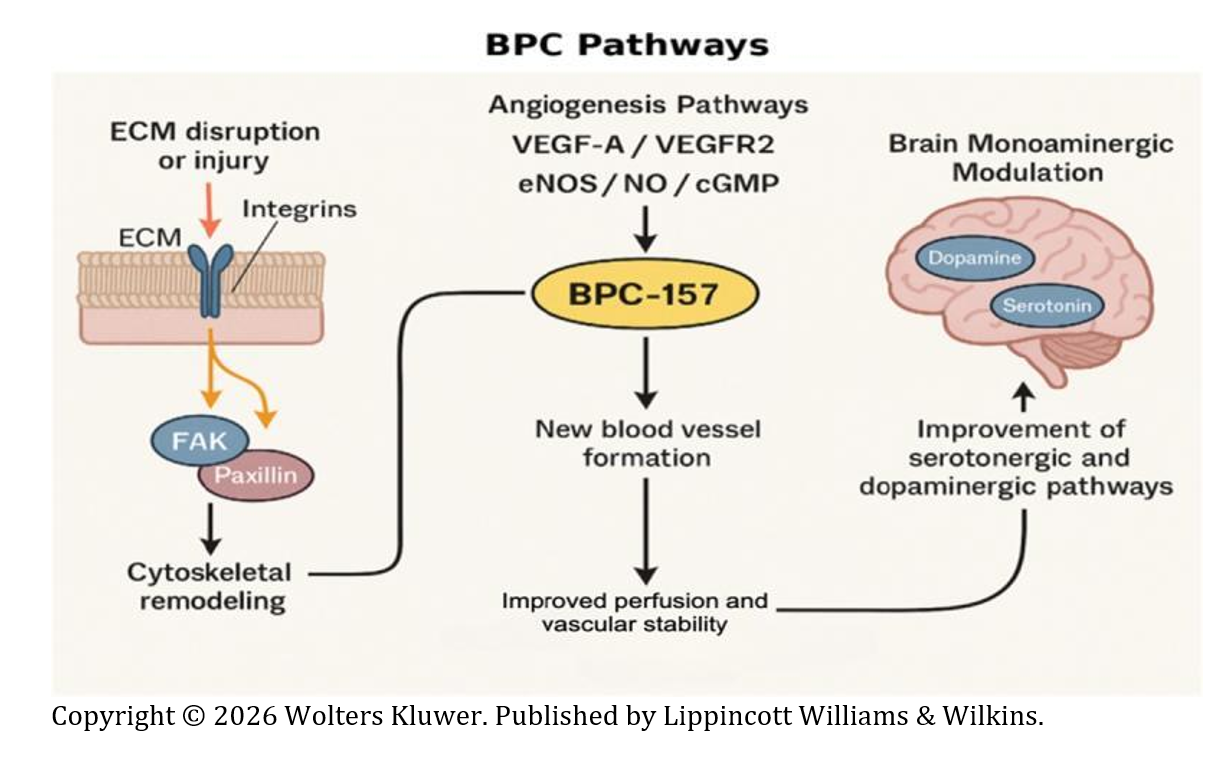
What is BPC-157 and what it claims to do:
A 15-amino-acid peptide originally derived from proteins found in stomach acid
Helps your body heal by boosting cells that promote tissue repair, improve blood flow, and build new blood vessels
Reduce inflammation
Strengthen and reorganize collagen - building blocks of tendons and ligaments
Speed up muscle recovery
What the science actually says:
Rodent models have shown improvements in achilles tendon structure and biomechanical strength (Staresinic et al., 2003).
In a small case series of 17 patients, over 90% reported symptom improvement after BPC-157 knee injections for tendon and ligament injuries, with results lasting at least 6 months (Lee & Padgett, 2021).
Promising results in animal studies (tendon, ligament, muscle healing)
Most common use:
Usually injected subcutaneously or intramuscularly (some recommend proximal - above the site of injury for maximal benefit), less recommended orally.
2. TB-500 (Thymosin Beta-4 fragment)
What is TB-500 and what it claims to do:
A synthetic peptide fragment version of a naturally occurring protein known to be upregulated in response to tissue injury
Promotes wound healing by strengthening the building blocks inside cells, calling in repair cells to the area and helping those cells move to where they’re needed.
Improve muscle recovery
Reduce inflammation
Enhance mobility
What the science says:
Early research and use in animals suggest it may support tendon and muscle healing, helping reduce inflammation and improve blood flow in ways similar to BPC-157 (Goldstein et al., 2012; Philp & Kleinman, 2004).
Some evidence it plays a role in cell migration and tissue repair
Most common use:
Usually injected subcutaneously or intramuscularly. Generally has limited oral bioavailability.
3. GHK-Cu
What is GHK-Cu and what it claims to do:
A naturally occurring copper-binding tripeptides that is involved in skin and connective tissue remodeling.
May help protect cells from damage (acts as an antioxidant)
Supports the breakdown and rebuilding of tissues (tissue repair)
Could be useful for sudden injuries (like strains or sprains)
May help with long-term overuse problems (like tendon or joint wear)
What the science says:
Early research suggests it may help reduce oxidative stress and support tissue repair, which could be useful for both sudden injuries and long-term overuse issues (Pickart, 2008; Wang et al., 2017).
4. Growth Hormone Related Peptides for Muscle and Cartilage Repair
CJC-1295 + Ipamorelin
Tesamorelin
AOD-9604
Sermorelin
What are these peptides and and what they claim to do:
These are synthetic peptides designed to stimulate the body’s natural production of growth hormone (GH), which plays a key role in muscle growth, tissue repair, and metabolism.
CJC-1295 + Ipamorelin: Commonly used together to enhance natural GH release.
Tesamorelin: Mimics growth hormone–releasing hormone (GHRH), increasing GH production; clinically used to reduce visceral fat in individuals with HIV-associated lipodystrophy—not approved for general weight loss (Rahman et al., 2022).
AOD-9604: A modified fragment of human growth hormone that promotes fat breakdown and reduces fat storage without the growth-related effects of full hGH (Stier et al., 2013).
Sermorelin: A GHRH analogue that stimulates the pituitary gland to increase natural HGH production (Mayo Clinic, 2026).
Overall, these peptides aim to enhance growth signaling in the body, which may support muscle repair, new muscle tissue formation, and cartilage health.
What the science says:
These peptides work by increasing GH-related pathways, which are associated with improved muscle repair, reduced muscle loss. They also add support for cartilage and connective tissue health (Liu et al., 2018; Geusens & Boonen, 2002).
Emerging evidence suggests they may help preserve muscle during inactivity, enhance recovery, and support bone and cartilage healing (Nakasaki et al., 2008). Additionally, GH-related increases may improve sleep quality, which plays a role in overall recovery (Obal & Krueger, 2004).
However, while early research and animal studies are promising, large-scale human clinical trials are still limited and more evidence is needed to confirm their effectiveness and safety for broader use.
5. Collagen Peptides
What are these peptides and and what they claim to do:
Protein supplements (powders) that support connective tissue
May support tendon/ligament health when paired with loading
Widely used and generally “safe”
What the science says:
Collagen peptides provide key amino acids (glycine, proline, hydroxyproline) that serve as building blocks for tendon, ligament, and cartilage tissue. On their own, they don’t directly “build” tissue, but they may support collagen synthesis when paired with mechanical loading (aka exercise).
One of the most cited human studies shows that consuming gelatin (a form of collagen) with vitamin C about one hour before exercise increases markers of collagen synthesis, suggesting a potential benefit for tendon and ligament remodeling (Shaw et al., 2017).
More recent systematic reviews as referenced in Khatri et al. (2021) suggest:
Collagen supplementation may enhance collagen production and connective tissue remodeling, especially when combined with loading protocols.
It may help improve tendon structure and potentially reduce injury risk, though results are variable and population-specific.
Evidence for faster healing or meaningful performance outcomes in humans is still limited and not definitive.
Key concept to consider:
Loading is the primary driver of tendon/ligament adaptation.
Collagen peptides are likely supportive and are not primary intervention and should be used in conjunction with training and rehab.
Most common use:
Generally taken orally.
Are Peptides legal, FDA-Approved, and are they safe? What is their role in Orthopedics?
While research is promising, their use in orthopedics is still new and mostly based on animal studies, small patient groups, and early clinical experience. Large, rigorous human trials are still needed to fully understand how well they work.
Peptides fall into a legal gray area depending on the specific compound. Most of the above peptides discussed, even if available online or through clinics, unapproved peptides are not legally authorized for medical treatment, and their safety, quality, and dosing may be unreliable at this time.
Some are FDA-approved and legal with a prescription for specific medical conditions, while many commonly discussed peptides (like CJC-1295 or Ipamorelin) are not FDA-approved for human use and are often sold only for “research purposes.”
Most of the above peptides discussed, even if available online or through clinics, are unapproved peptides and are not legally authorized for medical treatment. Their safety, quality, and dosing may be unreliable at this time.
These are commonly sold as “research chemicals,” meaning they are not approved to prescribe or market for treatment. Additionally, many are banned in competitive sports by organizations like the World Anti-Doping Agency (WADA).
Bottom line: Some peptides are legitimate medical therapies, but many popular ones are unregulated and restricted and therefore caution is warranted. Proper sourcing and medical guidance is highly recommended.
Key Takeaways:
Potential Benefits: Peptides may support muscle repair, tendon and ligament healing, cartilage health, and overall recovery after injury or surgery. Some may also improve sleep and general cellular function, which aids healing as well.
Safety: Short-term side effects appear mild in limited studies, but long-term safety and dosing are not well established especially in humans. Minor side effects like redness at the injection site or temporary hormone changes have being reported. Long-term safety is still being studied and if sourced improperly or without supervision there are likely more risks associated.
Quality Matters: Not all peptides are made the same. Clinicians should use trusted, third-party, FDA-inspected sources to ensure purity and correct dosing. Online or unregulated products can be unsafe.
Products may be under-dosed, contaminated, or mislabeled
Current Evidence: Only a few peptides are FDA-approved for specific uses. Most applications in orthopedics are experimental and claims of “miracle healing” are not supported by large-scale studies at this time.
Patient Expectations: Peptides are not magic. Healing still takes time and standard treatments like physical therapy, anti-inflammatories, PRP, or surgery may still be needed.
Cost: Currently, peptides operate in the cash space. This additional factor must be considered within a plan of care.
In conclusion:
Peptides show exciting potential for musculoskeletal healing and recovery, but they should be used carefully and under professional guidance. Ongoing research will help clarify which peptides work best, at what doses, and for what conditions. Patients should be cautious of hype and focus on evidence-backed use.
We recommend that if you pursue peptides as adjunct to your care, you consider the following factors:
Use in conjunction with quality physical therapy:
Consider out-of-pocket costs, these are not widely available yet nor are the most affordable
Obtain peptides through a licensed clinician - prescribed and monitored by medical professionals
Obtain peptides through companies that are compounded with FDA-regulated manufacturing
Third party testing - independent labs verify purity and potency
What Drives Healing?
If your goal is to recover faster and stay active, these factors still matter the most:
Progressive loading (strength training)
Proper balance between rest and recovery
Sleep duration and quality
Modification of training based on your injury, tissue quality, and readiness for load
Nutrition and hydration
Proper movement mechanics
A positive mindset and hope
Consistency over time
The above eight factors areproven to improve tendon, muscle, and joint health.
If you’d like additional reading on peptides, this article is helpful: Application of peptide therapy for ligaments and tendons: A narrative review
Dr. Tessa Kothe, PT, DPT
Summit Physio & Performance | Colorado Springs
References
Duzel, A., Vlainic, J., Antunovic, M., Malekinusic, D., Vrdoljak, B., Samara, M., … Sikiric, P. (2017). Stable gastric pentadecapeptide BPC 157 in the treatment of colitis and ischemia and reperfusion in rats: New insights. World Journal of Gastroenterology, 23(48), 8465–8479.
Geusens, P. P., & Boonen, S. (2002). Osteoporosis and the growth hormone-insulin-like growth factor axis. Hormone Research, 58(Suppl. 3), 49–55.
Goldstein, A. L., Hannappel, E., Sosne, G., & Kleinman, H. K. (2012). Thymosin β4: A multi-functional regenerative peptide. Expert Opinion on Biological Therapy, 12(1), 37–51.
Grgic, T., Grgic, D., Drmic, D., Sever, A. Z., Petrovic, I., Sucic, M., … Sikiric, P. (2016). Stable gastric pentadecapeptide BPC 157 heals rat colovesical fistula. European Journal of Pharmacology, 780, 1–7.
Khatri, M., Naughton, R. J., Clifford, T., Harper, L. D., & Corr, L. (2021). The effects of collagen peptide supplementation on body composition, collagen synthesis, and recovery from joint injury and exercise: A systematic review. Amino Acids, 53(10), 1493–1506.
Kim, G., Fang, W., Chung, J., Dunn, E., Lin, R., Mo, K., … McGee, R. (2025). Application of peptide therapy for ligaments and tendons: A narrative review. Journal of Orthopaedic Reports, 100791.
Lee, E., & Padgett, B. (2021). Intra-articular injection of BPC 157 for multiple types of knee pain. Alternative Therapies in Health & Medicine, 27(4).
Liu, Q., Jia, Z., Duan, L., Xiong, J., Wang, D., & Ding, Y. (2018). Functional peptides for cartilage repair and regeneration. American Journal of Translational Research, 10(2), 501–514.
Mayo Clinic. (2026). Sermorelin (injection route) description and brand names.https://www.mayoclinic.org/drugs-supplements/sermorelin-injection-route/description/drg-20065923
Nakasaki, M., Yoshioka, K., Miyamoto, Y., Sasaki, T., Yoshikawa, H., & Itoh, K. (2008). IGF-I secreted by osteoblasts acts as a potent chemotactic factor for osteoblasts. Bone, 43(5), 869–879.
Obal, F., Jr., & Krueger, J. M. (2004). GHRH and sleep. Sleep Medicine Reviews, 8(5), 367–377.
Pevec, D., Novinščak, T., Brčić, L., Šipoš, K., Jukić, I., Starešinić, M., … Sikirić, P. (2010). Impact of pentadecapeptide BPC 157 on muscle healing impaired by systemic corticosteroid application. Journal of Orthopaedic Research, 28(10), 1321–1327.
Philp, D., Goldstein, A. L., & Kleinman, H. K. (2004). Thymosin β4 promotes angiogenesis, wound healing, and hair follicle development. Mechanisms of Ageing and Development, 125(2), 113–115.
Pickart, L. (2008). The human tri-peptide GHK and tissue remodeling. Journal of Biomaterials Science, Polymer Edition, 19(8), 969–988.
Rahman, O. F., Lee, S. J., & Seeds, W. A. (2026). Therapeutic peptides in orthopaedics: Applications, challenges, and future directions. JAAOS Global Research & Reviews, 10(1), e25.
Rahman, F., McLaughlin, T., Mesquita, P., Morin, J., Potvin, D., De Chantal, M., & Aberg, J. A. (2022). Effect of tesamorelin in people with HIV with and without dorsocervical fat: Post hoc analysis of phase III double-blind placebo-controlled trial. Journal of Clinical and Translational Science, 7(1), e40.
Starešinić, M., Šebecic, B., Patrlj, L., Jadrijevic, S., Suknaic, S., Perovic, D., … Sikiric, P. (2003). Gastric pentadecapeptide BPC 157 accelerates healing of transected rat Achilles tendon and in vitro stimulates tendocytes growth. Journal of Orthopaedic Research, 21(6), 976–983.
Stier, H., Vos, E., & Kenley, D. (2013). Safety and tolerability of the hexadecapeptide AOD9604 in humans. Journal of Endocrinology and Metabolism, 3(1–2), 7–15.
Wang, X., Liu, B., Xu, Q., Sun, H., Shi, M., Wang, D., … Feng, B. (2017). GHK-Cu-liposomes accelerate scald wound healing in mice by promoting cell proliferation and angiogenesis. Wound Repair and Regeneration, 25(2), 270–278.